



What Are Zirconium Crowns?
Zirconium crowns are full-coverage dental restorations used to protect damaged teeth while restoring their shape, strength, function, and appearance. Made primarily from zirconia ceramic, Zirconium Crowns cover the prepared portion of a natural tooth and can also be used as part of selected implant restorations.
Zirconia is known for high mechanical strength and good biocompatibility. Modern formulations are available in different levels of translucency, allowing crowns to be designed for both visible front teeth and areas exposed to stronger chewing forces.
Crowns are generally more invasive than veneers because they cover substantially more tooth structure. They are commonly considered when a tooth is heavily restored, fractured, weakened, severely discolored, or otherwise unsuitable for conservative treatment. Healthy teeth should not automatically receive crowns when less invasive alternatives can achieve the treatment goal.
How Do Zirconium Crowns Work?
A dental crown works by covering and protecting a prepared tooth while recreating its external shape. Once securely cemented, Zirconium Crowns can restore chewing surfaces, tooth contours, contact points, and visible appearance.
The tooth is first evaluated to determine whether it can support a crown. Decay or failing restorative material may need to be removed, and additional structural treatment can sometimes be necessary.
After preparation, a digital scan or impression records the shape of the tooth and surrounding structures. A custom crown is then fabricated to fit over the remaining tooth.
The restoration distributes biting forces across the prepared structure while providing a new external surface. Correct fit, bite adjustment, margin design, and oral hygiene are important because the natural tooth beneath the crown remains vulnerable to biological problems.
Who Is a Good Candidate for Zirconium Crowns?
Good candidates generally have teeth requiring substantial restoration rather than minor cosmetic modification alone. During treatment planning, Zirconium Crowns may be considered for extensively filled, fractured, worn, weakened, root-canal-treated, or significantly discolored teeth.
The supporting tooth and surrounding gums should be carefully evaluated. Active decay and periodontal disease usually require appropriate treatment before definitive crown placement.
Zirconia can also be considered for patients requiring restorations in areas exposed to substantial chewing forces. However, the appropriate material depends on the individual bite and available tooth structure.
Not every cosmetic concern requires a crown. Teeth with healthy enamel and only minor color or shape problems may benefit from more conservative treatments such as whitening, bonding, orthodontics, or veneers. Preserving natural tooth structure should remain an important consideration.
What Dental Problems Can Zirconium Crowns Fix?
Zirconia crowns can restore teeth affected by significant structural or cosmetic problems. Depending on the diagnosis, Zirconium Crowns can cover fractures, extensive fillings, severe wear, substantial discoloration, weakened tooth structure, and selected shape abnormalities.
They are also commonly used to restore certain teeth after root canal treatment when additional protection is necessary. Crowns can replace failing restorations and rebuild chewing surfaces that have lost their original anatomy.
However, crowns do not treat every dental condition by themselves. Active decay must be removed, gum disease needs appropriate management, and significant orthodontic problems may require tooth movement rather than restorative camouflage.
The treatment should address the underlying dental problem rather than simply covering it. Unnecessary crown preparation of otherwise healthy teeth sacrifices natural structure and can create lifelong restorative maintenance requirements.
Benefits of Zirconium Crowns
Zirconia combines high strength with tooth-colored aesthetics, making it useful for many restorative situations. Properly designed Zirconium Crowns can restore function while avoiding the visible metal framework associated with traditional metal-ceramic restorations.
Modern zirconia materials are available in several translucencies and strengths. This allows material selection to be adjusted for front teeth requiring improved aesthetics or back teeth exposed to greater chewing forces.
Zirconia is also biocompatible and generally well tolerated by surrounding oral tissues when crown contours and margins are appropriately designed.
Its strength does not make the restoration indestructible. Crown longevity still depends on tooth condition, cementation, bite forces, oral hygiene, and restorative design. The underlying natural tooth can also develop decay or other problems despite being covered.
Zirconium Crown Procedure Step by Step
The procedure begins with examination of the tooth, gums, bite, and surrounding structures. Before Zirconium Crowns are prepared, dental imaging may be used when necessary to evaluate roots, existing restorations, decay, or previous root canal treatment.
Local anesthesia is usually administered before tooth preparation. The dentist removes enough tooth structure to create space for the crown and establish appropriate margins.
A digital scan or conventional impression is then taken. A temporary crown may protect the prepared tooth while the permanent restoration is fabricated.
At the final appointment, the zirconia crown is checked for fit, shade, contacts, margins, and bite. Once these factors are acceptable, it is cemented or bonded according to the restorative system. Final adjustments and polishing complete the procedure.
What Are Zirconium Crowns Made Of?
Zirconium crowns are made from zirconium dioxide, commonly called zirconia, which is a high-strength dental ceramic. The structure of Zirconium Crowns can vary depending on the specific zirconia formulation and the aesthetic or mechanical requirements of the restoration.
Some crowns are manufactured as monolithic zirconia, meaning the restoration is milled primarily from one ceramic material. Others can incorporate additional ceramic layering to modify color, translucency, and surface characteristics.
Different zirconia generations offer different balances between strength and translucency. Highly translucent materials can be useful in visible areas, while stronger formulations may be preferred where chewing forces are greater.
Material selection should therefore consider tooth location, remaining structure, underlying color, available restoration thickness, bite forces, and the aesthetic requirements of surrounding teeth.
Do Teeth Need to Be Shaved for Zirconium Crowns?
Natural teeth generally require preparation before a full zirconia crown can be placed. During preparation for Zirconium Crowns, tooth structure is reduced around multiple surfaces to create sufficient space for the restoration and establish appropriate margins.
The amount of reduction varies according to tooth position, crown design, zirconia type, bite relationships, and existing tooth damage. A heavily restored tooth may already have substantial structural loss, while an intact tooth requires intentional preparation.
Crown preparation is irreversible. Once substantial natural tooth structure has been removed, the tooth will generally continue to require restorative coverage.
For this reason, crowns should not automatically be used when a more conservative option can provide an appropriate result. Preserving healthy enamel and dentin can be particularly important for long-term dental health.
How Many Zirconium Crowns Do I Need?
The number of crowns depends on how many teeth actually require full-coverage restoration. When Zirconium Crowns form part of a cosmetic or restorative plan, each tooth should be evaluated individually rather than automatically treating the entire visible smile.
A single damaged tooth may require only one crown. More extensive wear, multiple failing restorations, or comprehensive rehabilitation can involve several teeth.
When crowns are used for aesthetic purposes, smile width, tooth color, existing restorations, and symmetry can influence how many teeth are included. However, cosmetic consistency alone does not always justify preparing healthy teeth.
Conservative planning should distinguish teeth requiring structural protection from those needing only minor cosmetic improvement. Whitening, bonding, orthodontics, or veneers may preserve more natural tissue in suitable situations.
Are Zirconium Crowns Painful?
Crown preparation is usually performed under local anesthesia, which helps minimize discomfort while the tooth is being shaped. During preparation for Zirconium Crowns, patients may feel pressure or vibration without significant sharp pain once the area is adequately numb.
Temporary sensitivity can develop after treatment, particularly if a vital tooth has undergone substantial preparation. Gum tenderness may also occur around the crown margin.
Sensitivity should generally improve as tissues settle, although individual experiences vary.
Persistent throbbing pain, prolonged temperature sensitivity, swelling, or significant discomfort when biting requires evaluation. These symptoms can indicate bite problems, pulpal inflammation, infection, or another dental issue. A crown itself should not be expected to cause ongoing significant pain when treatment and healing proceed normally.
How Long Does the Zirconium Crown Procedure Take?
The treatment timeline depends on the number of teeth, preparation complexity, laboratory workflow, and whether additional dental treatment is required. Placement of Zirconium Crowns often involves more than one appointment when laboratory fabrication is used.
The first stage typically includes tooth preparation and a digital scan or impression. Temporary restorations may then protect prepared teeth while permanent crowns are manufactured.
The final appointment involves checking fit, contacts, bite, shape, and color before cementation. Multiple crowns or complex bite reconstruction can require additional fitting and adjustment appointments.
Treatment may take longer if decay, gum disease, root canal problems, implants, or other conditions need attention first. Accurate diagnosis and fit are more important than completing treatment within the shortest possible timeframe.
Do Zirconium Crowns Look Natural?
Modern zirconia crowns can closely resemble natural teeth when the correct material, shade, shape, and surface characteristics are selected. With carefully designed Zirconium Crowns, translucency and color can be adjusted according to tooth position and surrounding natural teeth.
Earlier zirconia restorations were often relatively opaque, but newer materials can provide greater translucency. Highly aesthetic front-tooth restorations may also use additional characterization or ceramic layering.
Natural appearance depends on more than whiteness. Tooth proportions, surface texture, incisal characteristics, gum contours, and interaction with light all influence the result.
The color of the underlying prepared tooth can also affect material selection. Extremely bright or uniform crowns may look artificial even when technically well made, so individualized shade planning is important.
How Long Do Zirconium Crowns Last?
Zirconia crowns can function for many years, but their lifespan cannot be guaranteed. The longevity of Zirconium Crowns depends on restoration design, remaining tooth structure, crown fit, bite forces, oral hygiene, cementation, and habits such as grinding.
Although zirconia is highly resistant to fracture, complications can still occur. Crowns may loosen, chip, fracture, or require replacement because of changes involving the supporting tooth.
Decay can also develop around crown margins because the underlying natural tooth remains susceptible to bacterial disease.
Gum recession may expose restoration margins and change appearance over time. Regular dental examinations, effective plaque control, and management of excessive bite forces can help protect both the crown and the supporting tooth.
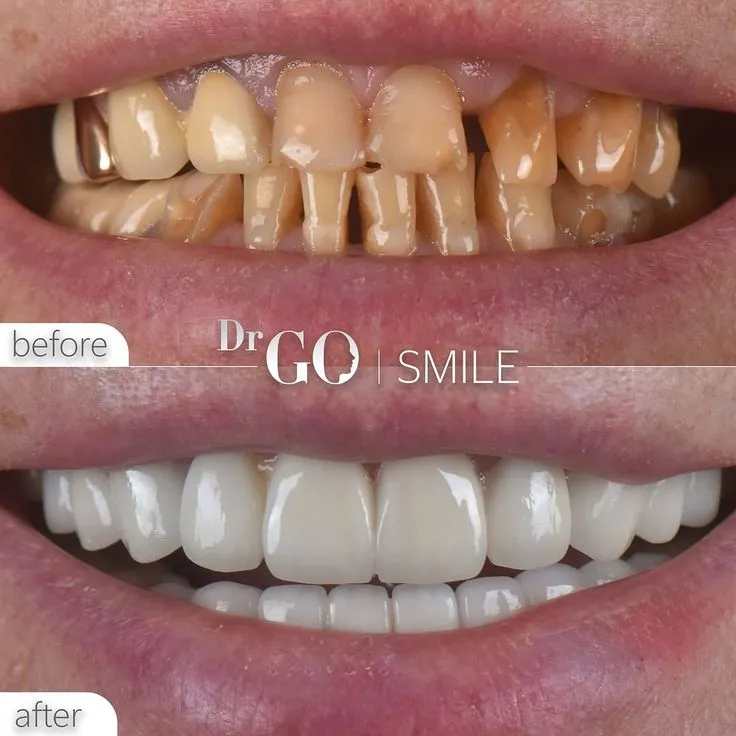
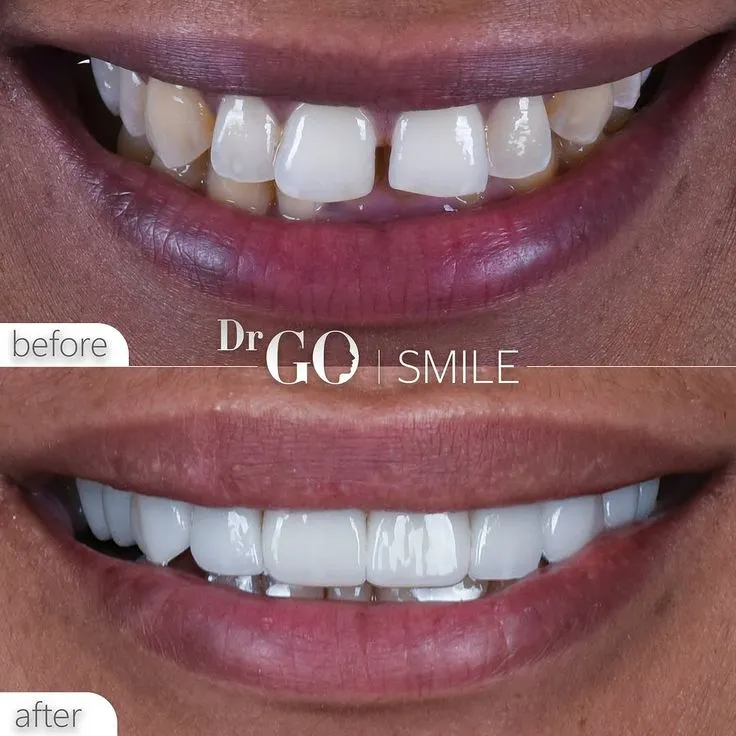
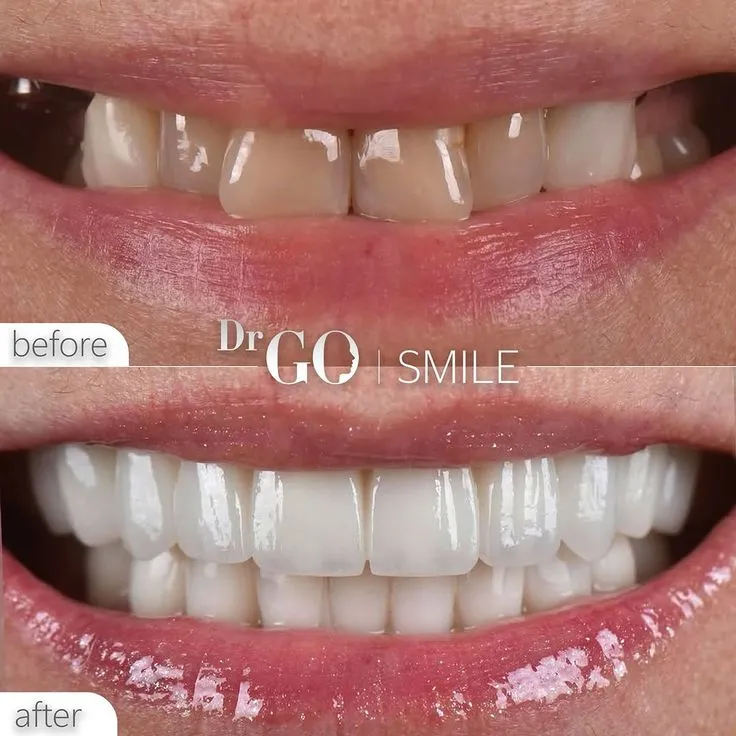
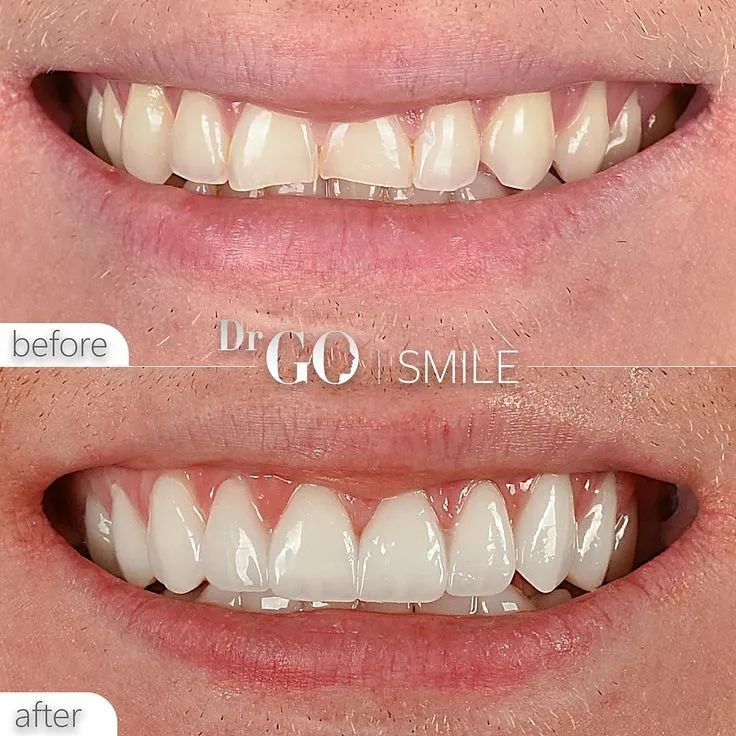
Zirconium Crowns Before and After
Before-and-after changes can involve tooth shape, color, alignment appearance, visible damage, and overall smile balance. Following placement of Zirconium Crowns, damaged or heavily restored teeth can have more consistent external contours and appearance.
Photographs alone do not show all important treatment outcomes. Crown margins, bite relationships, gum response, underlying tooth health, and cleaning access are equally important.
Before-and-after photographs should ideally use consistent lighting, camera position, tooth hydration, and facial expression. Different photographic conditions can substantially alter perceived tooth color.
The final appearance varies according to the original dental condition, zirconia type, restoration design, and surrounding teeth. Cosmetic improvement should be achieved without overlooking long-term function and preservation of remaining natural tooth structure.
Zirconium Crowns for Front Teeth
Zirconia can be used for front teeth when both aesthetics and structural strength are required. For anterior restorations, Zirconium Crowns can be produced using more translucent zirconia or additional ceramic characterization to create a natural appearance.
Front teeth have specific aesthetic requirements because their color, translucency, shape, and surface texture are highly visible. The restoration should also reproduce natural proportions and complement neighboring teeth.
Underlying tooth discoloration may influence material choice. In some situations, zirconia’s masking ability can be useful.
However, healthy front teeth with minor cosmetic concerns may not require full crowns. E-Max veneers, bonding, whitening, or orthodontic treatment may preserve more natural tooth structure when clinically appropriate. Material selection should reflect both structural and aesthetic requirements.
Zirconium Crowns for Back Teeth
Back teeth experience substantial chewing forces and often require restorations with good mechanical strength. Because of its fracture resistance, Zirconium Crowns can be particularly useful for molars and premolars that need full-coverage restoration.
Monolithic zirconia is frequently considered in high-load areas because the crown can be manufactured without a weaker outer ceramic layer. Adequate crown thickness and correct bite adjustment remain important.
The restoration surface should also be properly polished because rough ceramic contacting an opposing natural tooth may contribute to wear.
Crowns cannot strengthen every severely compromised tooth indefinitely. The amount of remaining tooth structure, root condition, periodontal support, previous root canal treatment, and bite forces should all be assessed before deciding whether a back tooth can be predictably restored.
Zirconium Crowns vs Porcelain Crowns
The term porcelain crown can describe several ceramic restoration types, so comparisons depend on the specific materials involved. In general, Zirconium Crowns use zirconium dioxide as their primary structural material, while other ceramic crowns may use different glass-based or layered porcelains.
Zirconia generally provides high strength and can be useful in areas exposed to substantial chewing forces. Traditional porcelains can offer excellent optical characteristics but may differ in fracture resistance.
Some zirconia crowns are layered with porcelain to combine a strong framework with customized surface aesthetics. Others are manufactured as monolithic restorations.
Neither category is universally better. Tooth location, underlying color, remaining structure, bite forces, available restoration thickness, and aesthetic requirements should guide material selection rather than choosing solely according to material name.
Zirconium Crowns vs E-Max Crowns
Zirconia and E-Max crowns are both metal-free ceramic restorations, but their compositions and properties differ. While Zirconium Crowns are made primarily from zirconium dioxide, E-Max restorations commonly use lithium disilicate glass-ceramic.
Lithium disilicate is known for excellent translucency and can be particularly suitable for visible anterior teeth. Zirconia generally provides greater mechanical strength, making certain formulations useful in high-load areas.
Modern translucent zirconia has narrowed the aesthetic difference between the materials, while different E-Max designs can also provide substantial strength.
The best choice depends on tooth location, underlying discoloration, bite forces, remaining tooth structure, crown thickness, and cosmetic requirements. No single ceramic material provides the ideal solution for every tooth or patient.
Zirconium Crowns vs Metal-Ceramic Crowns
Metal-ceramic crowns use a metal framework covered with tooth-colored porcelain, while zirconia restorations use a ceramic-based structure. One aesthetic advantage of Zirconium Crowns is the absence of a dark metal framework beneath the ceramic.
Metal-ceramic crowns have a long history in restorative dentistry and can provide reliable strength when appropriately designed. However, the metal substructure can influence light transmission and may become more noticeable if gums recede.
Zirconia provides a tooth-colored framework and can offer excellent mechanical performance. Modern versions also provide improved translucency.
The appropriate restoration depends on tooth location, available space, bite, existing restorations, aesthetic priorities, and clinical requirements. Both materials can experience complications and require eventual maintenance or replacement.
Advantages and Disadvantages of Zirconium Crowns
The major advantages of zirconia include high strength, metal-free construction, good biocompatibility, and a range of aesthetic options. Depending on the formulation, Zirconium Crowns can be used for both visible teeth and posterior areas exposed to stronger chewing forces.
Zirconia is also resistant to corrosion and does not produce the dark underlying framework associated with metal-based restorations.
Disadvantages include the need for irreversible tooth preparation and the possibility of crown fracture, debonding, or future replacement. Highly strong zirconia can also affect opposing teeth if the surface becomes rough.
Some formulations may be less translucent than glass ceramics. A crown can also conceal but cannot eliminate biological problems affecting the underlying tooth. Appropriate case selection remains essential.
Zirconium Crowns Side Effects and Risks
Temporary tooth sensitivity and gum tenderness can occur following crown preparation and placement. After receiving Zirconium Crowns, some patients may also notice temporary changes in bite sensation while adapting to the restorations.
Potential complications include persistent sensitivity, pulpal inflammation, gum irritation, crown loosening, fracture, chipping, marginal leakage, and decay beneath or around the restoration.
Extensive preparation of vital teeth carries biological risks because natural enamel and dentin are permanently removed. In some cases, further dental treatment can become necessary if the pulp develops irreversible problems.
Poorly designed crown contours can make plaque removal difficult and contribute to gum inflammation. Accurate preparation, fit, cementation, and bite adjustment can reduce these risks but cannot completely eliminate them.
Zirconium Crowns Aftercare
Zirconia crowns require regular oral hygiene because the natural teeth supporting them remain vulnerable to decay and gum disease. After receiving Zirconium Crowns, brushing and interdental cleaning should focus particularly on keeping restoration margins free from plaque.
Routine dental examinations can help identify early changes involving the crown, gums, bite, or underlying tooth.
Patients who grind or clench their teeth may require appropriate protection because repeated excessive forces can affect crowns and supporting structures.
Persistent sensitivity, movement, pain when chewing, or gum inflammation should be assessed rather than ignored. Although zirconia itself cannot decay, the tooth beneath it can. Long-term crown success therefore depends on both restoration quality and continued maintenance of the surrounding oral tissues.
What to Avoid After Getting Zirconium Crowns
Patients should avoid using restored teeth for activities that create unnecessary mechanical stress. After placement of Zirconium Crowns, chewing ice, cracking very hard foods, biting pens, or opening packaging with the teeth can increase the risk of damage.
Temporary sensitivity may make extremely hot or cold foods uncomfortable during early recovery. Patients should also avoid ignoring a crown that feels unusually high when biting.
Grinding and clenching can place repeated forces on both the crown and supporting tooth. Appropriate management may be necessary when these habits are present.
Poor oral hygiene should also be avoided because plaque can accumulate around crown margins. The ceramic cannot develop decay, but the natural tooth structure beneath and beside the restoration remains susceptible.
Zirconium Crowns in Turkey
Turkey is a common destination for restorative and cosmetic dental procedures, including zirconia crowns. Patients considering Zirconium Crowns in Turkey should evaluate diagnostic planning, tooth preservation, material selection, bite assessment, laboratory quality, sterilization, and arrangements for long-term follow-up.
A full crown requires irreversible tooth preparation. Healthy teeth should therefore not automatically be reduced simply to create a uniform cosmetic smile when more conservative options are suitable.
Patients traveling for treatment should understand which teeth require crowns and why. They should also consider how future adjustments, repairs, or complications will be managed after returning home.
Treatment speed and package pricing should not take priority over tooth health. Complex restorative work may require adequate time for assessment, preparation, fitting, and bite adjustment.
Zirconium Crowns Prices 2026
The cost of zirconia crowns in 2026 depends on the number of treated teeth, restoration complexity, zirconia type, laboratory requirements, and the condition of the supporting teeth. When comparing Zirconium Crowns prices, a single-tooth restoration should be distinguished from extensive smile rehabilitation involving many crowns.
Frequently Asked Questions
Are zirconium crowns permanent?
Crowns provide long-term restoration but should not be considered permanent lifetime devices. Once a tooth is prepared for Zirconium Crowns, it will generally continue to require restorative coverage, and the crown itself may eventually need repair or replacement.
How long do zirconium crowns last?
Longevity depends on oral hygiene, remaining tooth structure, bite forces, crown fit, cementation, and habits such as grinding. With appropriate care, Zirconium Crowns can function for many years, although an exact lifespan cannot be guaranteed.
Do zirconium crowns look like natural teeth?
Modern zirconia can reproduce natural tooth color and varying degrees of translucency. When properly designed, Zirconium Crowns can closely resemble surrounding teeth through customized shade, shape, surface texture, and careful adjustment of the restoration.
Do teeth need to be shaved for zirconium crowns?
Full crowns generally require reduction around multiple surfaces of the natural tooth. Before placing Zirconium Crowns, enough structure is usually removed to create restorative space and appropriate margins, making the preparation an irreversible procedure.
Can zirconium crowns stain or change color?
Zirconia ceramic is relatively resistant to external staining and does not discolor like natural enamel. However, while Zirconium Crowns generally maintain their shade well, surrounding teeth, crown margins, surface deposits, and gum changes can alter the overall appearance over time.