



What Are E-Max Veneers?
E-Max veneers are thin ceramic restorations bonded to the front surfaces of teeth to improve their color, shape, size, and overall appearance. Made from lithium disilicate ceramic, E-Max Veneers are valued for combining translucency with useful strength, making them particularly suitable for visible front teeth.
These veneers can address selected discoloration, small gaps, minor chips, worn edges, uneven tooth proportions, and mild alignment concerns. They do not correct every dental problem, and significant decay, gum disease, or major bite abnormalities should be addressed separately.
Treatment should preserve as much healthy enamel as possible. Some cases require minimal preparation, while others need greater reduction to create appropriate space. The final result depends on tooth condition, veneer thickness, bonding quality, bite forces, and careful aesthetic planning.
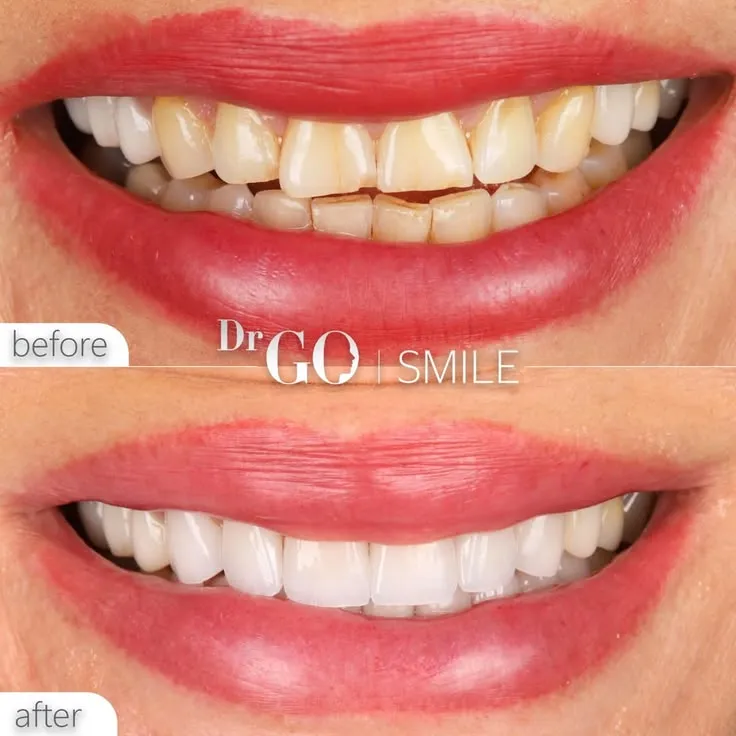
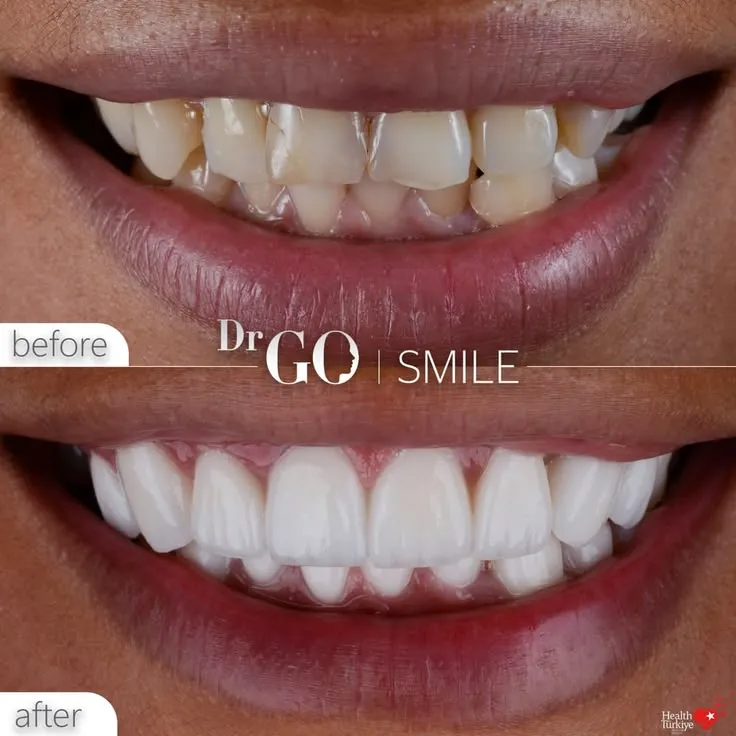
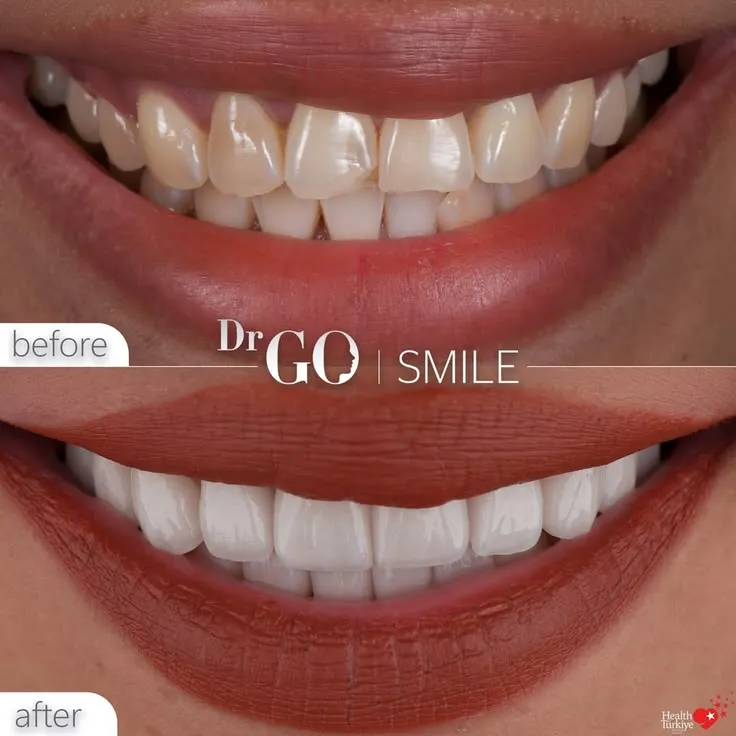
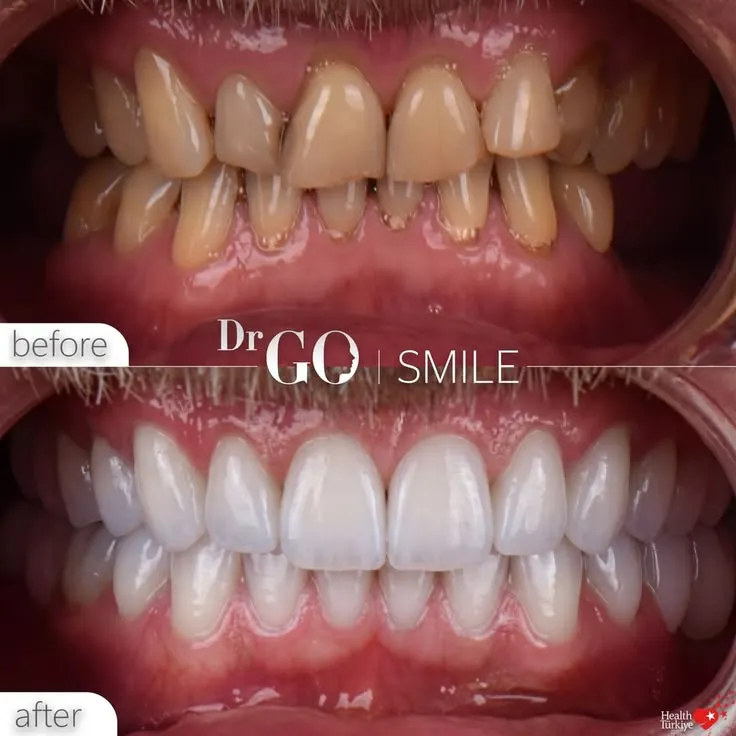
How Do E-Max Veneers Work?
E-Max veneers work by covering the visible front surface of a tooth with a custom-made ceramic layer. Once bonded securely, E-Max Veneers can modify visible tooth color, contours, length, width, and proportions without necessarily requiring full crown coverage.
Treatment begins with an assessment of the natural teeth, gums, bite, and cosmetic concerns. Digital scans or impressions can then be used to design restorations that fit the planned smile.
Depending on tooth position and the desired change, a small amount of enamel may be removed before fabrication. The veneers are later bonded using an adhesive system and resin cement.
Their translucent ceramic structure can reproduce some optical characteristics of natural enamel. However, final appearance also depends on underlying tooth color, ceramic thickness, shade selection, and laboratory design.
Who Is a Good Candidate for E-Max Veneers?
Good candidates generally have relatively healthy front teeth and gums but want to improve selected cosmetic concerns. Before choosing E-Max Veneers, tooth structure, enamel availability, bite relationships, oral hygiene, and the cause of discoloration or irregularity should be evaluated.
Suitable concerns can include small chips, mild spacing, uneven shapes, worn edges, and discoloration that cannot be adequately managed with simpler treatments.
Veneers may be less appropriate for teeth with extensive decay, very large restorations, insufficient enamel, or severe structural damage. Crowns or other restorative approaches may sometimes be more suitable.
Significant tooth grinding and unfavorable bite forces also require consideration because they can increase ceramic stress. Active gum disease should generally be stabilized before cosmetic restorations are placed.
What Dental Problems Can E-Max Veneers Fix?
E-Max veneers can improve several cosmetic problems affecting visible front teeth. In selected cases, E-Max Veneers can disguise persistent discoloration, small spaces, minor chips, irregular edges, differences in tooth size, and mild visual misalignment.
They can also improve the appearance of worn teeth when sufficient healthy structure remains. However, veneers primarily change appearance rather than physically moving teeth.
Significant crowding, major rotation, or bite abnormalities may be better treated with orthodontics. Teeth weakened by extensive decay or large restorations may need a different restorative approach.
Veneers also cannot treat active gum disease or dental infections. Proper diagnosis is important because covering a cosmetic concern without treating an underlying dental problem can lead to complications and reduce restoration longevity.
Benefits of E-Max Veneers
One important benefit of E-Max veneers is their ability to create aesthetic changes while potentially preserving more tooth structure than full crowns. Because E-Max Veneers use translucent lithium disilicate ceramic, they can reproduce a natural-looking combination of brightness, depth, and surface detail.
The ceramic material also offers good resistance to discoloration compared with many resin-based restorations. Shape and shade can be customized according to facial features and surrounding teeth.
Veneers can address several cosmetic concerns simultaneously, including color, proportions, minor spacing, and edge irregularities.
However, their benefits depend on appropriate case selection. Veneers are irreversible when enamel is removed, and they may eventually require replacement. Conservative planning should therefore prioritize dental health rather than cosmetic change alone.
E-Max Veneers Procedure Step by Step
Treatment typically begins with dental examination, photographs, bite evaluation, and assessment of cosmetic goals. Before E-Max Veneers are prepared, any active decay or gum disease should be treated and the amount of required tooth preparation determined.
The planned tooth shape and shade can then be designed using photographs, digital scans, impressions, or temporary mock-ups. If preparation is necessary, a controlled amount of enamel is removed.
Digital scans or impressions are taken so the ceramic restorations can be fabricated. Temporary veneers may sometimes be used while laboratory work is completed.
At the final appointment, each veneer is checked for shape, shade, fit, and bite. The tooth surface is prepared for adhesive bonding, and the veneer is secured with resin cement before final adjustments and polishing.
What Are E-Max Veneers Made Of?
E-Max veneers are commonly made from lithium disilicate glass-ceramic, a dental material developed to provide both aesthetic translucency and mechanical strength. The structure of E-Max Veneers allows light to interact with the restoration in a way that can resemble natural dental enamel.
Lithium disilicate contains a crystalline phase within a glass-based ceramic matrix. This composition provides useful strength while allowing restorations to be produced in relatively thin forms when clinically appropriate.
The material can be pressed or manufactured using digital CAD/CAM processes, depending on the restoration system and laboratory workflow.
Different translucencies, shades, and ceramic layering techniques can be used. Material selection should consider the underlying tooth color, desired brightness, veneer thickness, and amount of discoloration that needs masking.
How Many E-Max Veneers Do I Need?
The number of veneers depends mainly on smile width, visible teeth, existing tooth condition, and which cosmetic concerns require correction. When planning E-Max Veneers, treatment can involve only a few teeth or a broader group across the visible upper smile.
Treating too few teeth can sometimes create noticeable differences in shade or proportions between restored and natural teeth. However, treating healthy teeth unnecessarily should also be avoided.
The upper front teeth are commonly the main aesthetic focus, although lower teeth can be included when they are highly visible during smiling or speaking.
Photographs and smile analysis can help determine the appropriate number. The objective is to create visual continuity while preserving unaffected natural tooth structure whenever possible.
Do Teeth Need to Be Shaved for E-Max Veneers?
Some tooth preparation is required in many cases, but the amount varies according to tooth position, veneer design, enamel thickness, and desired cosmetic changes. With carefully planned E-Max Veneers, preparation may be limited primarily to enamel rather than involving the extensive reduction commonly associated with full crowns.
Certain favorable cases may allow very minimal preparation. Completely preparation-free treatment is possible only when tooth position and restoration thickness permit it without creating bulky contours.
More reduction may be necessary for protruding teeth, significant discoloration, or major shape changes.
Enamel removal is irreversible, so unnecessary preparation should be avoided. The amount removed should be based on clinical requirements rather than applying the same preparation depth to every patient.
Are E-Max Veneers Painful?
The level of discomfort depends largely on how much tooth preparation is required. When E-Max Veneers involve enamel reduction, local anesthesia can be used to keep the preparation process comfortable.
Some patients experience temporary sensitivity to cold, heat, or pressure after preparation and bonding. Gum tenderness can also occur briefly, particularly when treatment is performed close to the gum margin.
Minimal-preparation cases may involve relatively little discomfort. However, individual sensitivity varies.
Persistent pain, significant sensitivity, swelling, or discomfort when biting should not simply be ignored. These symptoms can indicate bite problems, bonding issues, pulpal irritation, or another dental condition that requires assessment.
How Long Does the E-Max Veneers Procedure Take?
The total treatment timeline depends on the number of veneers, preparation requirements, laboratory workflow, and whether additional dental treatment is needed. Placement of E-Max Veneers usually involves multiple stages rather than one immediate procedure.
Initial assessment and smile planning come first. Tooth preparation and digital scanning or impressions are then completed before the restorations are fabricated.
Laboratory production can require additional time, and temporary veneers may be used between appointments when necessary. The final appointment involves evaluating fit, shade, shape, contacts, and bite before bonding.
Complex cases can take longer, particularly when gum treatment, orthodontics, whitening, or replacement of old restorations is required first. Accurate planning should take priority over completing treatment as quickly as possible.
Do E-Max Veneers Look Natural?
E-Max veneers can provide a highly natural appearance because lithium disilicate ceramic can reproduce translucency and light transmission similar to dental enamel. With carefully customized E-Max Veneers, shade, surface texture, shape, and proportions can be adjusted to complement surrounding teeth and facial features.
Natural teeth are not completely uniform. Subtle variations in color, translucency, edge characteristics, and surface anatomy can therefore make veneers appear more realistic.
The underlying tooth color also influences the final appearance, particularly when thin or highly translucent restorations are used.
A natural result depends on more than material selection. Proper tooth preparation, ceramic thickness, laboratory characterization, gum contours, bonding, and smile design all contribute to the final aesthetic outcome.
How Long Do E-Max Veneers Last?
E-Max veneers can function for many years when they are appropriately planned, bonded, and maintained. The longevity of E-Max Veneers depends on enamel bonding, oral hygiene, bite forces, tooth grinding, restoration thickness, and habits that place excessive stress on the ceramic.
Veneers should not be considered lifetime restorations. Chipping, fracture, debonding, gum recession, or decay around restoration margins can eventually require repair or replacement.
Patients who grind or clench their teeth may place additional forces on ceramic restorations and can require protective measures.
Regular dental examinations and good home care help identify problems early. Even when the ceramic remains intact, changes in surrounding teeth and gums can affect appearance over time.
E-Max Veneers Before and After
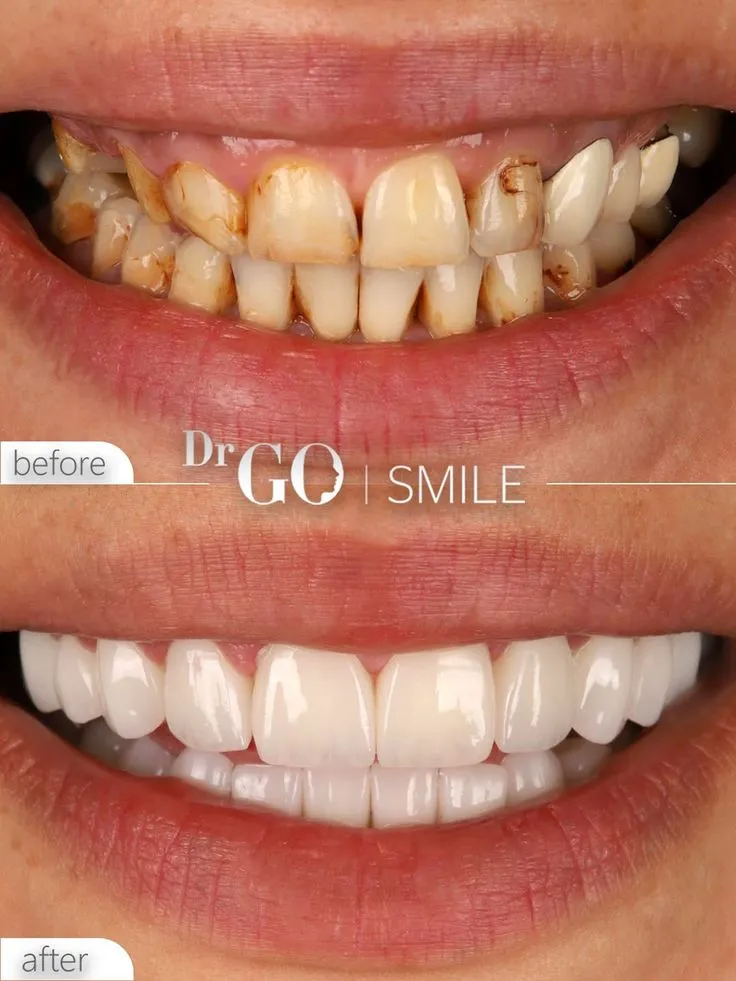
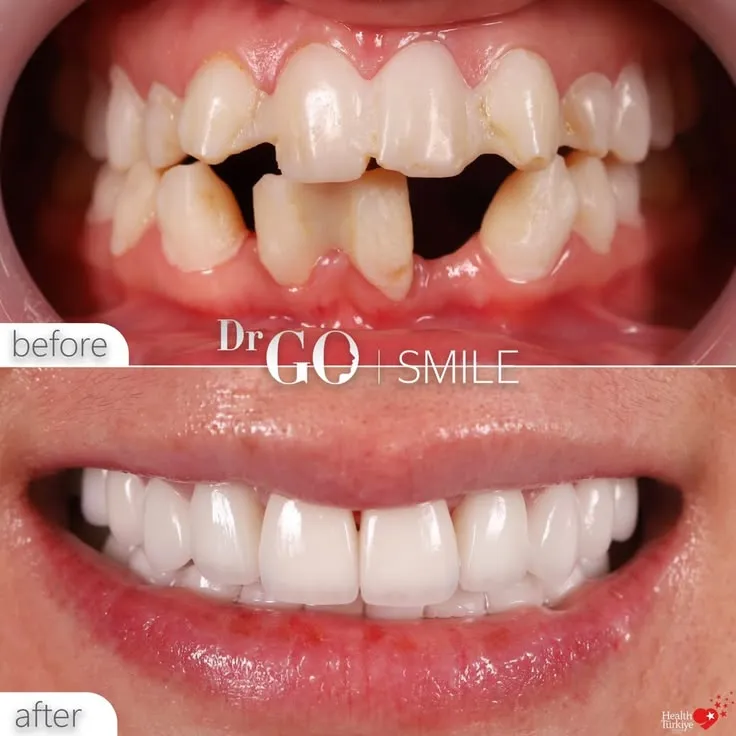
Before-and-after changes can include improvements in tooth color, shape, proportions, visible spacing, edge symmetry, and overall smile balance. After placement of E-Max Veneers, the final appearance should be evaluated together with the lips, gums, facial proportions, and surrounding natural teeth.
Photographs should ideally use similar lighting, camera position, tooth hydration, and facial expression. These factors can significantly change how dental shade and translucency appear.
Immediate results show the cosmetic transformation, but gum tissues may require additional time to settle after treatment.
Every patient begins with different enamel, tooth positions, discoloration, and bite conditions. For this reason, another person’s before-and-after result should not be treated as a reliable prediction of an individual outcome.
E-Max Veneers vs Porcelain Veneers
E-Max is itself a type of dental ceramic, so the term is often compared with other porcelain or ceramic veneer materials rather than representing a completely separate category. Specifically, E-Max Veneers are generally made from lithium disilicate glass-ceramic.
Other porcelain veneers may use different ceramic systems, including layered feldspathic porcelain. These materials can differ in strength, translucency, required thickness, fabrication method, and ability to mask underlying discoloration.
Lithium disilicate provides a useful combination of strength and aesthetics, while highly layered ceramics may offer different optical characteristics in selected cases.
The most appropriate material depends on tooth position, underlying shade, enamel availability, bite forces, restoration thickness, and cosmetic goals. Material selection should therefore be individualized rather than based solely on product terminology.
E-Max Veneers vs Zirconium Veneers
E-Max and zirconia-based restorations have different material properties and aesthetic characteristics. Because E-Max Veneers use lithium disilicate glass-ceramic, they are often selected for visible anterior teeth where translucency and natural light interaction are important.
Zirconia is generally stronger and more opaque, although modern translucent zirconia materials have improved considerably. Greater opacity can sometimes be useful when underlying tooth discoloration requires masking.
The term “zirconium veneer” can also be used inconsistently, as zirconia is frequently used for crowns and other restorations rather than traditional thin veneers.
Neither material is universally superior. Tooth reduction, underlying color, restoration design, bite forces, required strength, and desired translucency should determine which ceramic system is appropriate.
E-Max Veneers vs Composite Veneers
E-Max veneers are laboratory-made ceramic restorations, while composite veneers are created using tooth-colored resin material. Compared with direct composite, E-Max Veneers generally provide greater color stability and ceramic surface characteristics that can remain smooth and glossy with appropriate care.
Composite can often be placed with little or no tooth preparation and is usually easier to repair. It can therefore be useful for conservative changes involving shape, small gaps, or minor chips.
However, composite is more susceptible to staining, surface wear, and chipping over time. It may require periodic polishing or repair.
Ceramic veneers usually involve greater cost and can require irreversible preparation. The appropriate choice depends on the desired change, enamel condition, budget, bite, maintenance expectations, and preference for reversibility.
Advantages and Disadvantages of E-Max Veneers
E-Max veneers offer translucency, color stability, customizable shape, and useful strength for many cosmetic dental applications. When bonded appropriately, E-Max Veneers can provide durable aesthetic improvement while potentially preserving more natural tooth structure than full-coverage crowns.
Another advantage is resistance to staining compared with composite resin. Their ceramic surface can also reproduce detailed tooth anatomy and natural-looking texture.
Disadvantages include cost, laboratory fabrication, potential tooth sensitivity, and the possibility of chipping or fracture. Enamel reduction, when required, is irreversible.
Veneers may eventually require replacement, and heavily damaged restorations cannot always be repaired directly. Patients with severe grinding, insufficient enamel, extensive decay, or major bite problems may also require alternative treatment or additional protective measures.
E-Max Veneers Side Effects and Risks
Temporary sensitivity is one of the more common effects following veneer preparation and bonding. After receiving E-Max Veneers, patients may also notice short-term gum tenderness or increased awareness of their bite while adjusting to the restorations.
Potential complications include persistent sensitivity, veneer fracture, chipping, debonding, gum irritation, marginal discoloration, and decay around restoration edges.
Removing enamel is irreversible. Excessive tooth preparation can increase biological risks and may contribute to pulpal irritation in some cases.
Poorly shaped restorations can also make cleaning difficult or create gum inflammation. Bite problems may place excessive stress on veneers. Careful diagnosis, conservative preparation, accurate bonding, and appropriate bite adjustment can reduce these risks but cannot eliminate them completely.
E-Max Veneers Aftercare
Good aftercare helps protect both the ceramic restorations and the natural teeth supporting them. After receiving E-Max Veneers, regular brushing, interdental cleaning, and professional dental assessment remain essential because veneers do not prevent tooth decay or gum disease.
Cleaning around the margins is particularly important because plaque accumulation can irritate the gums and affect the underlying teeth.
Patients should also monitor changes in their bite, gum position, or tooth sensitivity. Persistent discomfort deserves assessment rather than being ignored.
People who grind or clench their teeth may require appropriate nighttime protection. Although ceramic does not decay, the natural tooth beneath and around a veneer remains biologically active and requires continued care.
What to Avoid After Getting E-Max Veneers
Hard biting habits can place unnecessary stress on ceramic restorations. After receiving E-Max Veneers, patients should avoid using their front teeth to crack hard foods, bite ice, open packaging, or chew objects such as pens.
Temporary temperature sensitivity may occur after treatment, making very hot or cold foods uncomfortable for some patients during early adjustment.
Grinding and clenching can also increase the risk of ceramic damage. When these habits are present, appropriate management may help protect the restorations.
Although lithium disilicate is relatively resistant to staining, surrounding natural teeth can still change color. Smoking and poor oral hygiene can also negatively affect gums and overall smile appearance. Routine care remains important for maintaining long-term results.
E-Max Veneers in Turkey
Turkey is a common destination for cosmetic dental procedures, including ceramic veneers and broader smile makeovers. Patients considering E-Max Veneers in Turkey should focus on diagnosis, tooth preservation, material selection, bite assessment, treatment planning, and long-term follow-up rather than evaluating treatment only by price or speed.
A veneer procedure should not automatically involve aggressive reduction of healthy teeth. The amount of preparation should reflect tooth position, enamel condition, underlying color, and the required cosmetic change.
Patients traveling for dental treatment should also consider what happens if sensitivity, debonding, bite problems, or ceramic complications develop after returning home.
Clear documentation of the materials and treatments performed can be useful for future dental maintenance and possible repairs.
E-Max Veneers Prices 2026
The cost of E-Max veneers in 2026 depends on the number of teeth treated, case complexity, preparation requirements, laboratory work, and whether additional dental procedures are necessary. When comparing E-Max Veneers prices, treatment involving a few front teeth should be distinguished from a comprehensive smile restoration involving many teeth.
Frequently Asked Questions
Are E-Max veneers permanent?
Veneers are considered an irreversible treatment when natural enamel has been removed, but the restorations themselves do not necessarily last for life. Over time, E-Max Veneers may require repair or replacement because of wear, fracture, gum changes, or other dental factors.
How long do E-Max veneers last?
Longevity varies according to bonding quality, oral hygiene, bite forces, tooth condition, and habits such as grinding. With appropriate maintenance, E-Max Veneers can function for many years, although no fixed lifespan can be guaranteed for every restoration.
Do E-Max veneers stain?
Lithium disilicate ceramic is relatively resistant to staining compared with composite resin. However, while E-Max Veneers generally maintain their ceramic shade well, natural teeth, bonding margins, and surrounding dental structures can still develop discoloration over time.
Can E-Max veneers break or chip?
Ceramic veneers have useful strength but are not indestructible. Excessive bite forces, grinding, trauma, or biting very hard objects can damage E-Max Veneers, potentially causing small chips, cracks, debonding, or fractures that require professional assessment.
Do teeth need to be shaved for E-Max veneers?
The amount of preparation varies according to tooth position, enamel thickness, underlying shade, and the desired cosmetic change. In many E-Max Veneers cases, limited enamel reduction is required, while carefully selected situations may allow minimal or occasionally no preparation.