



What Is a Hollywood Smile?
A Hollywood Smile is a personalized cosmetic dentistry plan designed to improve the color, shape, alignment, proportions, and overall appearance of visible teeth. Rather than describing one specific procedure, a Hollywood Smile can involve veneers, crowns, whitening, bonding, orthodontic treatment, gum contouring, or a combination of methods.
Treatment should be planned around the condition of the natural teeth and gums. Healthy teeth do not automatically require crowns or extensive enamel reduction simply to create a brighter smile.
The number of treated teeth and chosen materials depend on smile width, facial proportions, tooth position, bite, and cosmetic goals. A successful result should balance aesthetics with function and long-term dental health. Extremely white, identical teeth are not necessary for an attractive outcome, and conservative treatment is often preferable when natural tooth structure can be preserved.
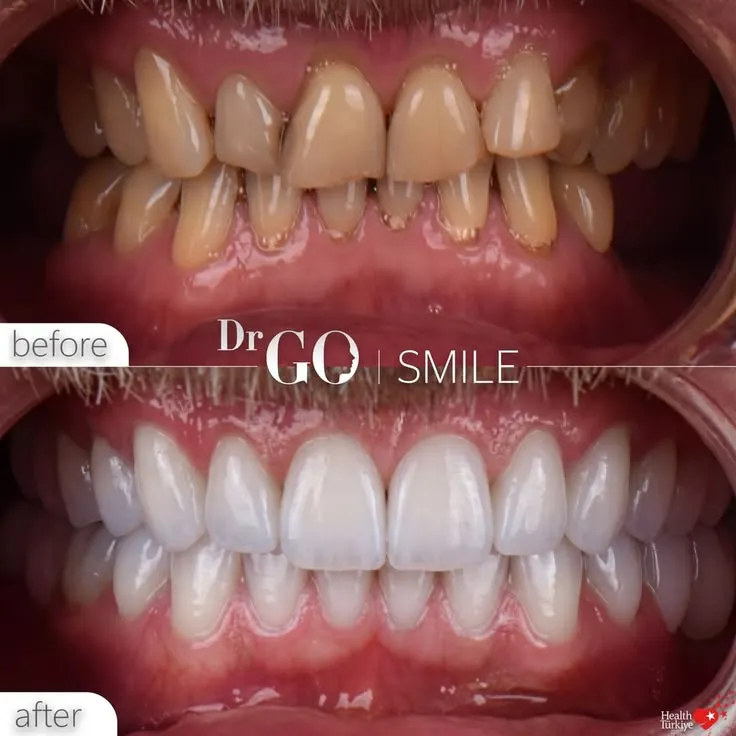
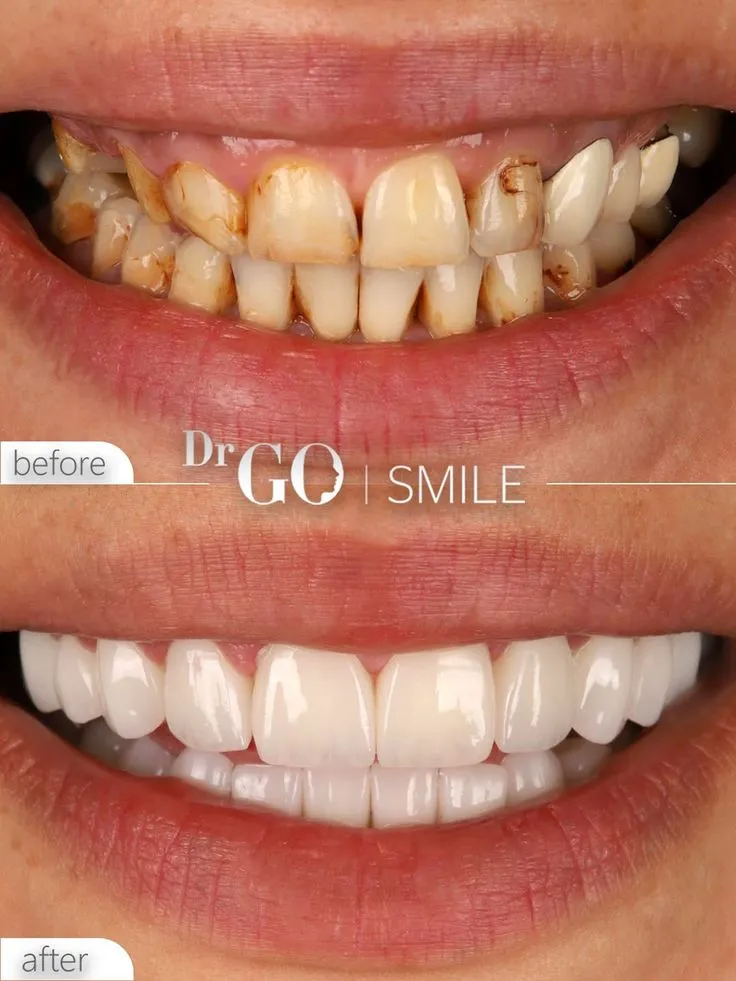
How Does a Hollywood Smile Work?
Treatment begins by identifying which characteristics of the smile need improvement and selecting appropriate dental procedures. During Hollywood Smile planning, tooth color, shape, spacing, alignment, gum levels, bite, and facial proportions can all be evaluated.
Minor discoloration may respond to whitening, while small shape irregularities may be treated with bonding or veneers. More extensively damaged teeth may require restorative treatment or crowns.
Digital photographs, scans, impressions, or smile-design methods can help visualize proposed changes before definitive treatment begins.
The process should not focus only on appearance. Bite relationships, enamel thickness, gum health, and existing restorations influence what can be safely changed. Treatment is therefore individualized rather than based on one standard set of cosmetic procedures.
Who Is a Good Candidate for a Hollywood Smile?
Good candidates are generally people who want to improve visible dental concerns and have sufficiently healthy teeth and gums for cosmetic treatment. Before a Hollywood Smile is planned, active decay, gum disease, infections, and other untreated oral health problems should usually be addressed.
Candidates may have discoloration, small gaps, worn edges, uneven tooth shapes, old restorations, or selected alignment concerns. The most suitable treatment depends on the severity and cause of each problem.
People who grind their teeth or have significant bite problems may require additional assessment because excessive forces can damage veneers or crowns.
A cosmetic smile plan should also reflect realistic expectations. Natural tooth preservation, oral health, and functional stability remain important even when the primary treatment goal is aesthetic improvement.
What Dental Problems Can a Hollywood Smile Fix?
A cosmetic smile plan can address several visible concerns, including discoloration, uneven tooth size, small spaces, worn edges, minor chips, and selected alignment irregularities. Depending on the diagnosis, a Hollywood Smile may combine different treatments rather than using veneers or crowns for every problem.
Whitening can improve certain types of staining, while bonding or veneers can modify shape and proportions. Orthodontic treatment may be more appropriate when tooth position requires significant correction.
Crowns are generally more relevant when teeth have substantial structural damage or already require extensive restoration.
Cosmetic dentistry cannot solve every oral health problem by covering the teeth. Tooth decay, gum disease, infection, and significant bite abnormalities should be treated appropriately before purely aesthetic procedures are completed.
Benefits of a Hollywood Smile
The main benefit is the ability to address several cosmetic dental concerns through one coordinated treatment plan. A carefully designed Hollywood Smile can improve tooth color, shape, symmetry, visible alignment, and overall smile proportions.
Treatment can also replace worn or failing restorations when clinically appropriate. Modern ceramic materials allow translucency, surface texture, and shade to be customized for a more natural appearance.
Another advantage is flexibility. Some patients may need only whitening and minor bonding, while others require veneers, crowns, orthodontics, or gum treatment.
The objective should not be to make every smile identical. Preserving healthy tooth structure and selecting the least invasive effective treatment can provide important long-term benefits while still achieving meaningful cosmetic improvement.
Hollywood Smile Procedure Step by Step
The process usually starts with dental examination, photographs, imaging when necessary, and assessment of the teeth, gums, and bite. Before Hollywood Smile treatment begins, cosmetic goals and possible treatment options are discussed.
Any active decay, gum disease, or other oral health concerns should be managed first. The planned smile can then be designed according to tooth proportions, facial features, and smile width.
Depending on the treatment, teeth may undergo whitening, orthodontics, bonding, veneer preparation, crown preparation, or gum contouring. Temporary restorations may be used when teeth require preparation for laboratory-made ceramics.
Final veneers or crowns are then evaluated for fit, bite, color, and appearance before bonding or cementation. Follow-up helps assess comfort, gum response, and functional stability.
What Treatments Are Included in a Hollywood Smile?
A Hollywood Smile is not a fixed package of procedures. Depending on individual needs, Hollywood Smile treatment can include professional whitening, composite bonding, porcelain veneers, ceramic crowns, orthodontics, gum contouring, implants, or replacement of older restorations.
Patients with healthy, well-positioned teeth may need relatively conservative treatment. Others with significant structural damage or missing teeth can require more extensive restorative work.
Veneers mainly modify the visible front surface of suitable teeth, while crowns cover substantially more tooth structure. Orthodontics changes tooth position rather than masking major alignment problems with restorations.
Treatment selection should therefore follow clinical need. Performing extensive preparation on healthy teeth solely because a particular procedure is marketed as part of a smile makeover may unnecessarily sacrifice natural tooth tissue.
Hollywood Smile with Dental Veneers
Dental veneers are thin restorations placed over the visible surfaces of teeth to change their color, shape, proportions, or appearance. For suitable teeth, a Hollywood Smile using porcelain veneers can address discoloration, small gaps, minor shape differences, and selected alignment concerns.
Preparation requirements vary. Some cases allow minimal enamel reduction, while others require more preparation to create adequate space and appropriate contours.
Veneers are not ideal for every tooth. Extensive decay, very large fillings, severe grinding, significant misalignment, or insufficient enamel can affect suitability.
Porcelain veneers can provide natural translucency and stable color when carefully designed. Their longevity depends on preparation, bonding, bite forces, oral hygiene, material selection, and habits such as grinding or biting hard objects.
Hollywood Smile with Zirconium Crowns
Zirconium crowns are full-coverage restorations that can improve appearance while restoring teeth that require greater structural support. In selected cases, a Hollywood Smile may incorporate zirconia-based crowns when teeth are heavily restored, significantly damaged, or otherwise unsuitable for conservative veneers.
Crowns require preparation around more of the tooth than veneers. For that reason, they should not automatically be chosen for healthy teeth simply to achieve a cosmetic change.
Modern zirconia materials are available in different strengths and translucencies. Material selection can therefore vary between front teeth and areas exposed to greater biting forces.
A natural result depends on shade, shape, surface texture, gum margins, and proportions. Appropriate bite adjustment is also important because excessive forces can contribute to restoration complications.
Porcelain Veneers vs Zirconium Crowns for Hollywood Smile
Porcelain veneers and zirconium crowns differ primarily in how much of the tooth they cover and how much preparation they generally require. When designing a Hollywood Smile, veneers are often considered for relatively healthy front teeth needing cosmetic changes, while crowns are more appropriate for teeth requiring greater structural restoration.
Veneers cover mainly the front surface and usually preserve more natural tooth structure. Crowns surround most of the visible tooth and therefore generally require more extensive preparation.
Neither option is universally better. Existing fillings, enamel condition, bite forces, tooth position, discoloration, previous root canal treatment, and structural damage all influence the decision.
A conservative approach favors preserving healthy tissue whenever possible rather than selecting crowns solely because they can produce dramatic cosmetic changes.
How Many Teeth Are Needed for a Hollywood Smile?
The number of treated teeth depends on how many teeth are visible during a natural smile and which ones actually require cosmetic correction. A Hollywood Smile may involve a limited group of front teeth or extend farther toward the premolars when a person has a broad smile.
Treating too few teeth can sometimes create visible differences in color or proportions between restored and untreated areas. Treating more teeth than necessary, however, can remove healthy tooth structure without sufficient benefit.
Smile width, lip movement, tooth color, symmetry, and existing restorations should guide planning.
The upper teeth usually contribute most strongly to smile aesthetics, but lower teeth can also require treatment in selected cases. There is no universal number suitable for everyone.
How Long Does a Hollywood Smile Procedure Take?
Treatment duration depends on which dental procedures are included. A straightforward Hollywood Smile involving veneers or crowns can follow a different timeline from a plan requiring orthodontics, implants, gum treatment, or extensive restorative work.
Whitening or bonding can sometimes be completed relatively quickly. Laboratory-made veneers and crowns generally require preparation, impressions or digital scans, fabrication, fitting, and final placement.
More complex dental problems can extend treatment over weeks or months. Orthodontic movement and implant treatment usually require significantly longer timelines than direct cosmetic procedures.
The process should not be unnecessarily accelerated when gums, tooth structure, or bite relationships need stabilization. Accurate planning and appropriate healing are more important than completing a cosmetic transformation within the shortest possible period.
Is the Hollywood Smile Procedure Painful?
Discomfort depends on the procedures included in the smile makeover. When Hollywood Smile treatment requires tooth preparation, gum procedures, or other invasive dental work, local anesthesia can be used to minimize pain during treatment.
Patients may experience temporary sensitivity after enamel preparation, whitening, veneer placement, or crown treatment. Gum tenderness can also occur when treatment involves tissue around the teeth.
Some procedures, such as minor bonding, may require little or no anesthesia.
Persistent or severe pain should not simply be considered a normal part of cosmetic dentistry. Ongoing sensitivity, pain when biting, swelling, or significant gum discomfort can indicate a problem requiring assessment and possible adjustment.
How to Choose the Right Tooth Shape and Shade
Tooth shape and shade should complement facial proportions, age, lip movement, skin tone, and the appearance of surrounding natural teeth. During Hollywood Smile design, the goal should usually be visual harmony rather than selecting the brightest possible shade.
Natural teeth contain variations in translucency, surface texture, and color. Completely opaque or uniformly shaped restorations can therefore appear artificial.
Tooth length, width, incisal edges, canine shape, and symmetry should also be considered. Small variations can help create a more natural appearance.
Digital planning, photographs, shade selection, and temporary mock-ups may help patients evaluate proposed changes. Personal preference matters, but the final design should also respect functional bite relationships and the limitations of available tooth structure.
Does a Hollywood Smile Look Natural?
A cosmetic smile can look natural when tooth proportions, shade, translucency, surface texture, gum levels, and facial characteristics are considered together. With careful Hollywood Smile planning, restorations can be designed to complement the face instead of appearing excessively white or uniform.
Natural-looking teeth are not perfectly identical. Small differences in shape and surface anatomy can help restorations blend with surrounding structures.
Material selection also matters. Porcelain and modern ceramic systems can reproduce optical characteristics that resemble natural enamel when used appropriately.
The skill of planning and fabrication is more important than simply choosing a specific material. Overly bulky restorations, unnatural shades, incorrect tooth proportions, or poor gum contours can make even technically strong restorations appear artificial.
How Long Does a Hollywood Smile Last?
The longevity of a cosmetic smile depends on the treatments and materials used rather than one fixed lifespan. After Hollywood Smile treatment, veneers, crowns, bonding, and whitening can all require different forms of maintenance or eventual replacement.
Ceramic restorations can function for many years when appropriately planned and maintained, but they are not considered lifetime restorations. Chipping, fracture, gum recession, decay around margins, or changes in the bite can affect longevity.
Composite bonding may require more frequent repair or polishing, while whitening can need periodic maintenance.
Good oral hygiene, regular dental assessment, and avoiding damaging habits can help protect the result. Patients who grind their teeth may also require appropriate protection to reduce excessive forces on restorations.
Hollywood Smile Before and After
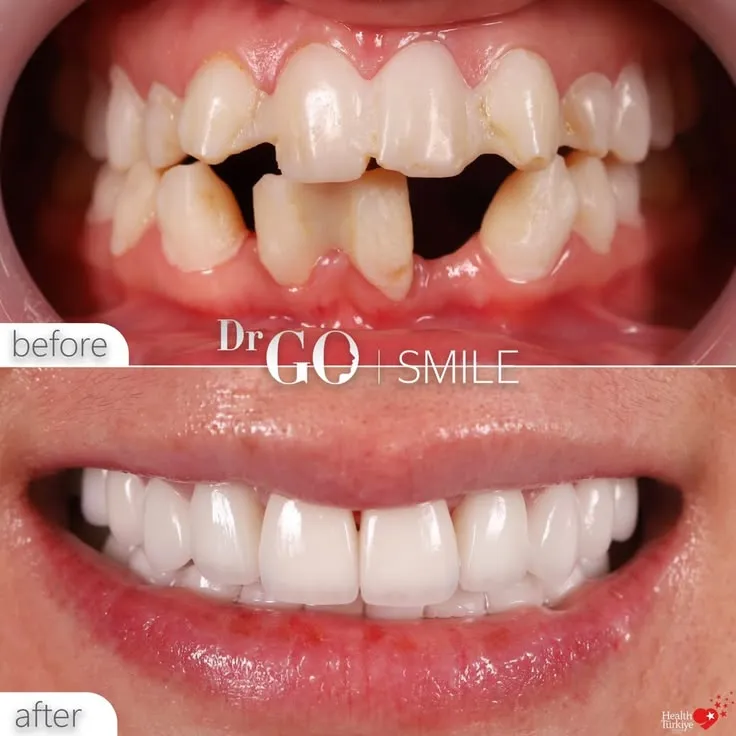
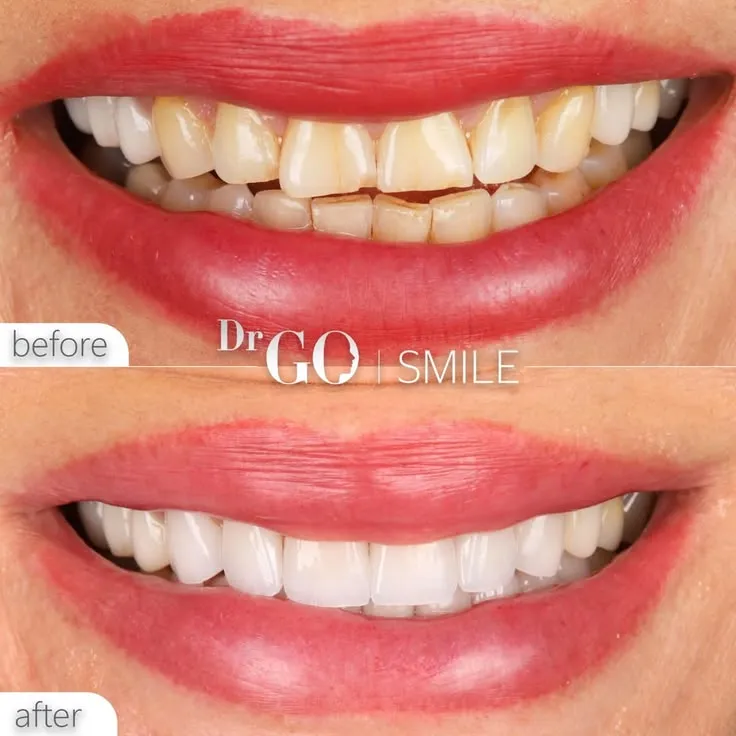
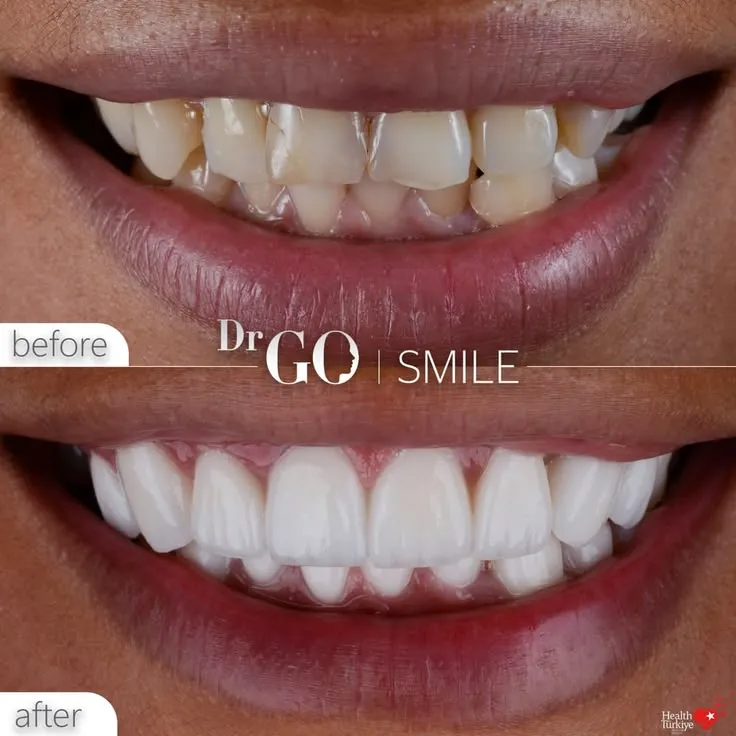
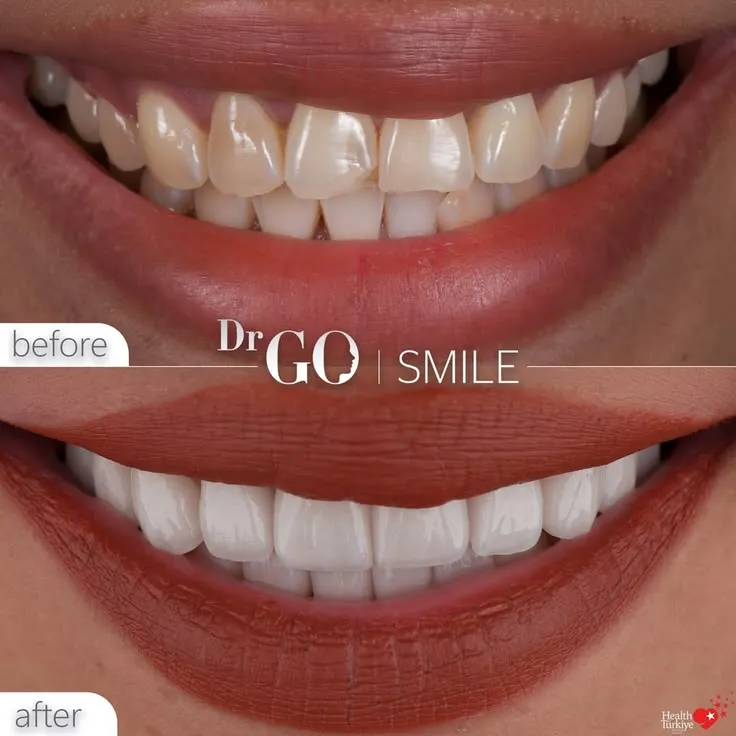
Before-and-after evaluation can show changes in tooth color, shape, proportions, alignment, visible gaps, and overall smile symmetry. Following Hollywood Smile treatment, photographs can also demonstrate how restorations interact with the lips and facial proportions.
Comparisons should use similar lighting, facial position, camera settings, and smile expression. Different photographic conditions can make tooth shade and appearance look significantly different.
A successful result should not be judged only by whiteness. Gum health, bite, tooth proportions, restoration margins, and preservation of natural tissue are equally important.
Results also vary because patients begin treatment with different dental conditions. Another person’s photographs cannot reliably predict how a particular combination of veneers, crowns, whitening, or other procedures will appear.
Hollywood Smile Side Effects and Risks
Potential side effects depend on the procedures included. After Hollywood Smile treatment, temporary tooth sensitivity, gum tenderness, bite awareness, or mild discomfort can occur, particularly when teeth have been prepared.
More significant risks can include persistent sensitivity, gum inflammation, restoration fracture, debonding, decay around restoration margins, bite problems, or changes in gum position.
Removing enamel is irreversible. Excessive preparation of otherwise healthy teeth can increase biological risks and may make those teeth dependent on restorations in the future.
Crowns and veneers can eventually require repair or replacement. In uncommon cases, heavily prepared teeth may develop pulpal problems requiring further treatment. Conservative planning can help reduce unnecessary risk.
Hollywood Smile Aftercare
Aftercare focuses on protecting restorations while maintaining healthy teeth and gums. Following Hollywood Smile treatment, regular brushing, interdental cleaning, and appropriate dental examinations remain important because veneers and crowns do not prevent decay or gum disease.
Patients should clean carefully around restoration margins where plaque can accumulate. Professional maintenance may also be recommended according to individual oral health.
Temporary sensitivity should be monitored and usually improves. Persistent discomfort or a bite that feels uneven should be evaluated rather than ignored.
Patients who clench or grind their teeth may need additional protection. Good maintenance supports both the appearance and longevity of cosmetic restorations, but even well-maintained dental work can eventually require repair or replacement.
What to Avoid After Getting a Hollywood Smile
Patients should avoid habits that place unnecessary stress on newly placed veneers, crowns, or bonding. After Hollywood Smile treatment, biting ice, opening packaging with the teeth, chewing very hard objects, or repeatedly biting pens can increase the risk of chipping or fracture.
Very hot or cold foods may temporarily increase sensitivity after certain procedures. Staining foods and drinks can also affect natural teeth and some restorative materials differently over time.
Smoking can contribute to staining and gum problems. Poor oral hygiene can allow decay or inflammation to develop around restoration margins.
Patients who grind their teeth should not ignore the habit because repeated excessive forces can shorten restoration longevity. Individual restrictions depend on the treatments and materials used.
Hollywood Smile in Turkey
Turkey is a popular destination for cosmetic dentistry, including veneers, crowns, whitening, implants, and comprehensive smile makeovers. Anyone considering a Hollywood Smile in Turkey should focus on appropriate diagnosis, conservative tooth preparation, material selection, bite assessment, sterilization standards, and reliable follow-up rather than price alone.
Dental tourism can involve completing several procedures within a limited travel period. However, treatment should not be rushed when oral disease, implant healing, orthodontics, or complex restorative work requires additional time.
Patients should also understand exactly which teeth will be prepared and why. Healthy teeth should not automatically receive full crowns simply to create a uniform appearance.
Long-term maintenance matters because restorative complications may occur after the patient has returned home.
Hollywood Smile Prices 2026
Hollywood Smile costs in 2026 varied considerably because the term can describe anything from relatively conservative cosmetic treatment to extensive full-mouth restorative work. When reviewing historical Hollywood Smile prices for 2026, the number of treated teeth, materials, procedures, and underlying dental condition should all be considered.
Frequently Asked Questions
Is a Hollywood Smile permanent?
Cosmetic dental treatment can provide long-lasting results, but restorations do not necessarily last for life. Depending on the procedures included, a Hollywood Smile may eventually require whitening maintenance, bonding repairs, or replacement of veneers and crowns.
How long does a Hollywood Smile last?
Longevity depends on materials, bite forces, oral hygiene, tooth condition, and habits such as grinding. With appropriate maintenance, a Hollywood Smile can remain aesthetically successful for many years, although individual restorations may eventually need repair or replacement.
Does a Hollywood Smile damage natural teeth?
Damage is not an unavoidable part of cosmetic smile treatment, but irreversible tooth preparation can be required for certain restorations. During Hollywood Smile planning, preserving healthy enamel whenever clinically possible can reduce unnecessary biological risks.
Are teeth shaved down for a Hollywood Smile?
The amount of preparation depends on the treatment selected. For some Hollywood Smile cases, veneers may require minimal enamel reduction, while crowns generally require more extensive preparation around the tooth; certain conservative treatments may require little or no reduction.
Is getting a Hollywood Smile painful?
Comfort varies according to the procedures performed, and local anesthesia can be used when tooth preparation or other invasive treatment is necessary. During Hollywood Smile treatment, temporary sensitivity or gum tenderness may occur, but persistent or severe pain should be evaluated.