



What Is a DHI Hair Transplant?
A DHI hair transplant is a hair restoration procedure in which individual follicular units are extracted from a donor area and implanted into thinning or bald regions. During a DHI Hair Transplant, graft placement is commonly performed with an implanter device that allows the surgeon to control the direction, angle, and depth of insertion.
DHI is closely related to modern FUE-based transplantation because follicles are generally harvested individually rather than through removal of a strip of scalp. The main distinction usually concerns how extracted grafts are implanted.
The technique can be used for hairline restoration, frontal thinning, crown loss, and selected areas of reduced density. Suitability depends on donor capacity, hair-loss pattern, scalp condition, age, expected future progression, and realistic treatment goals.
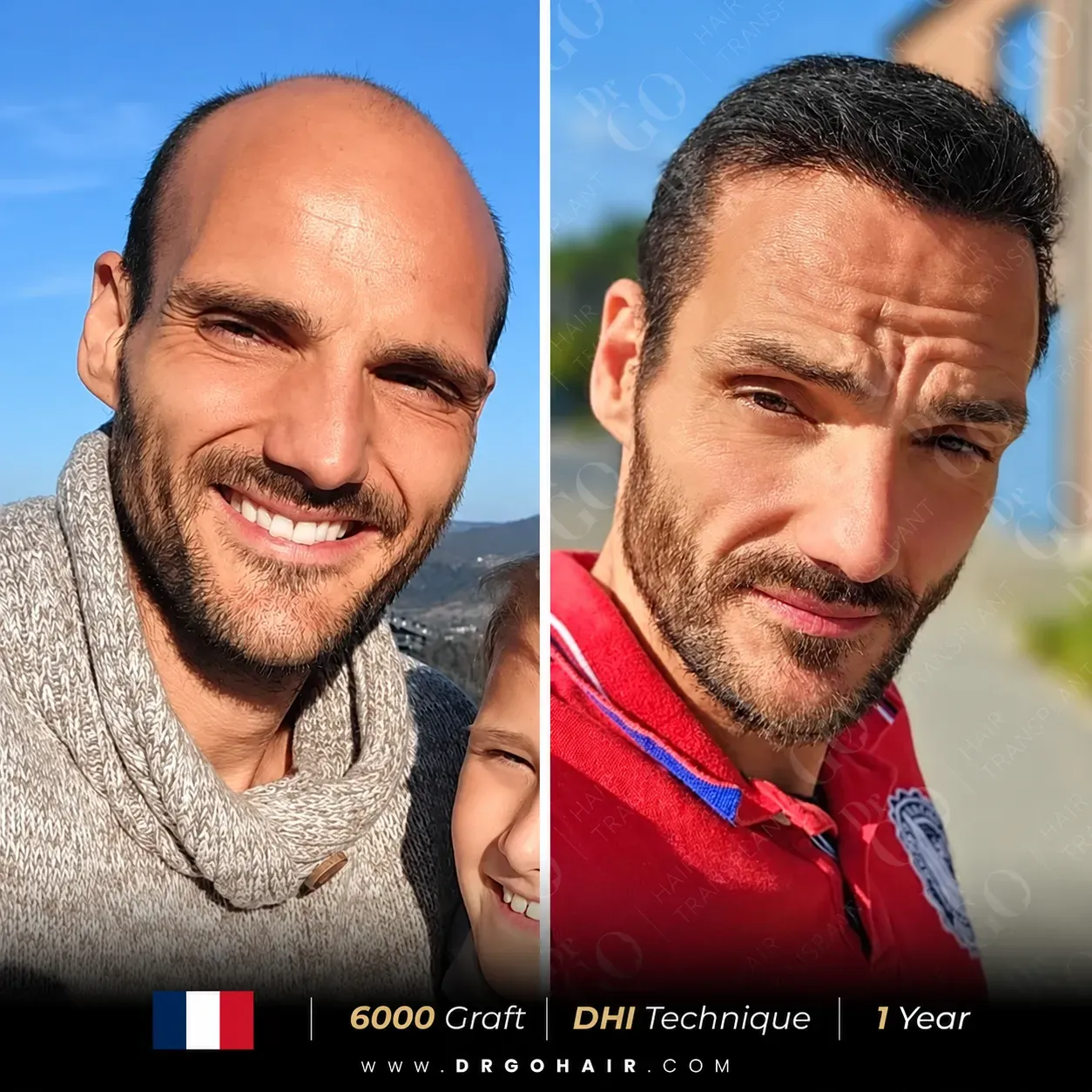
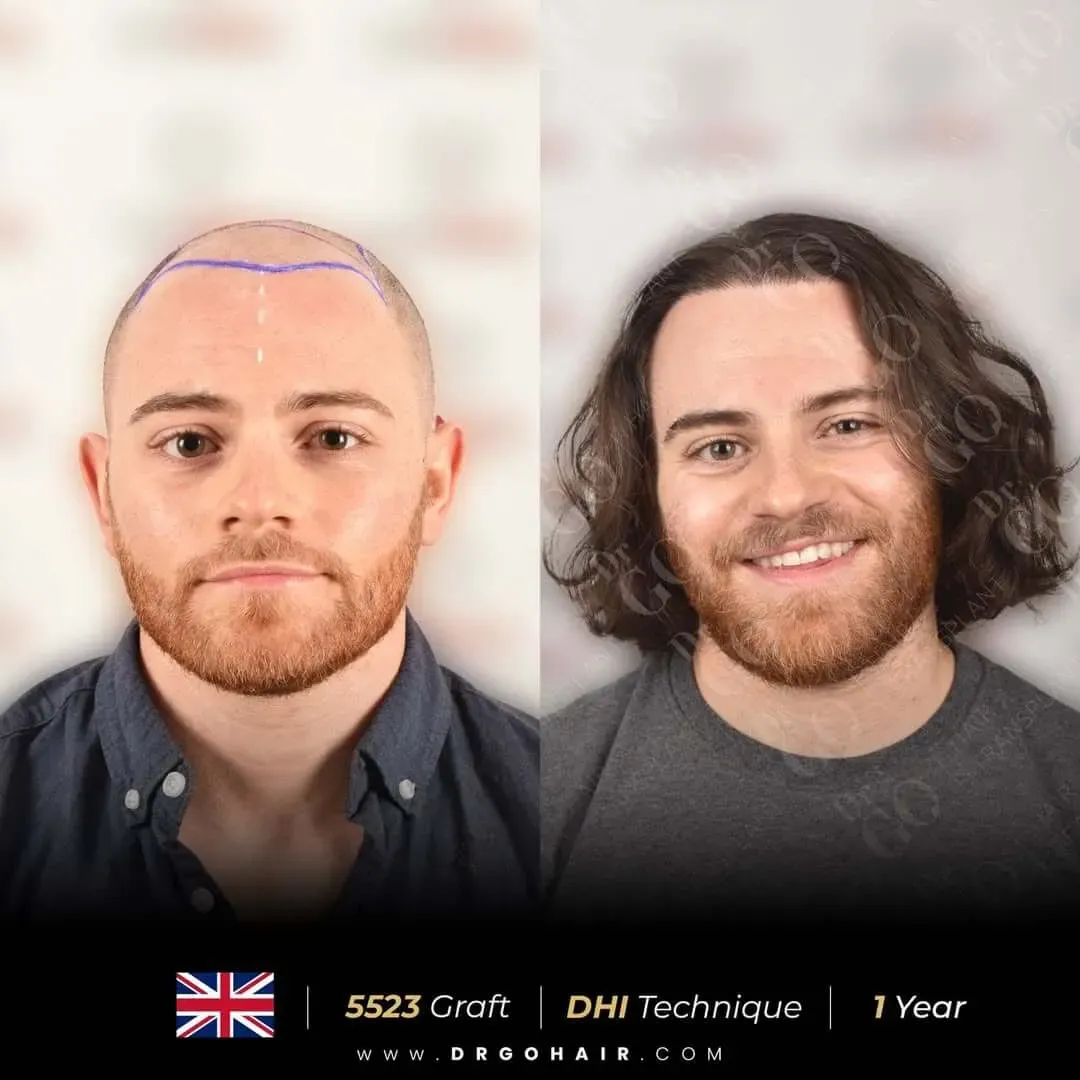
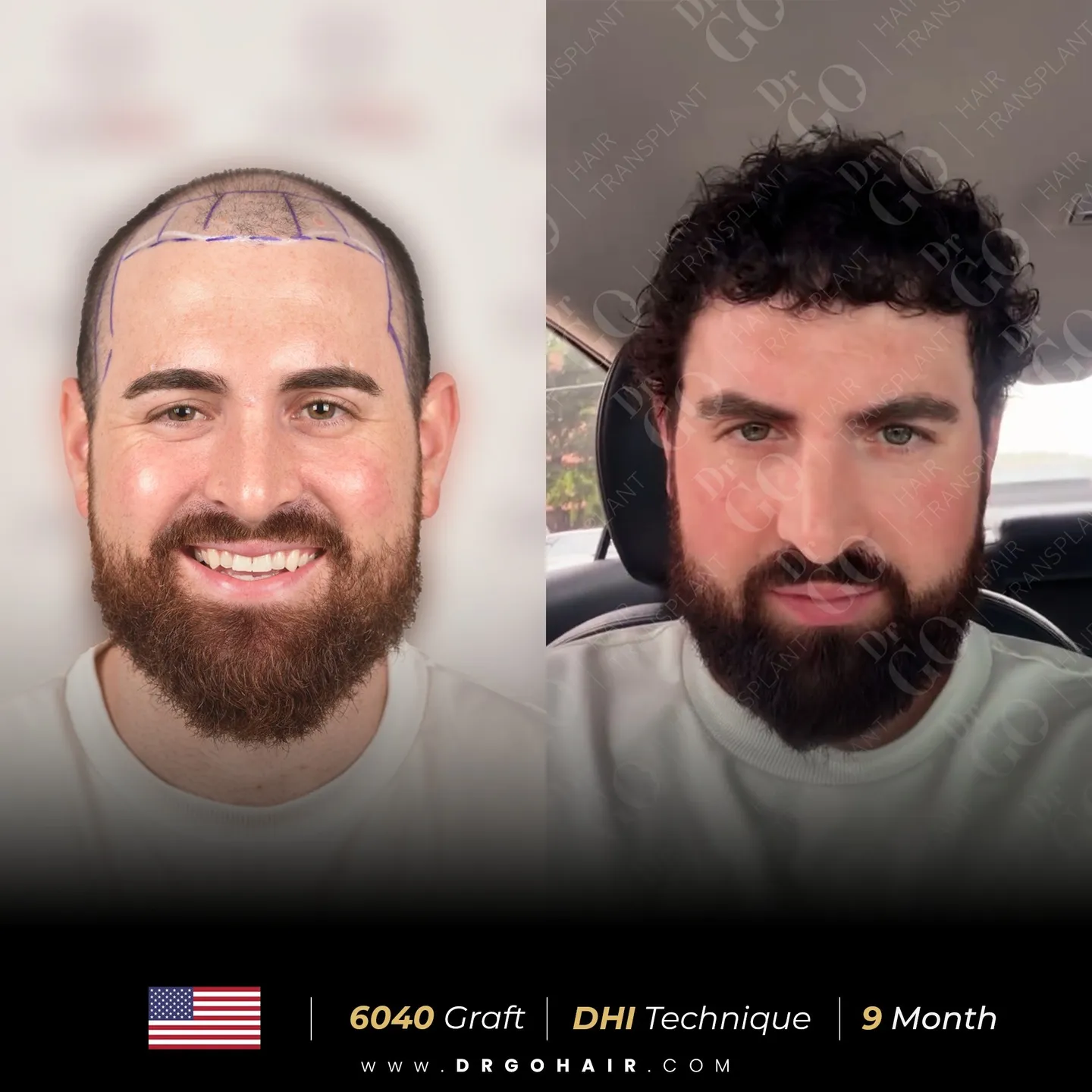
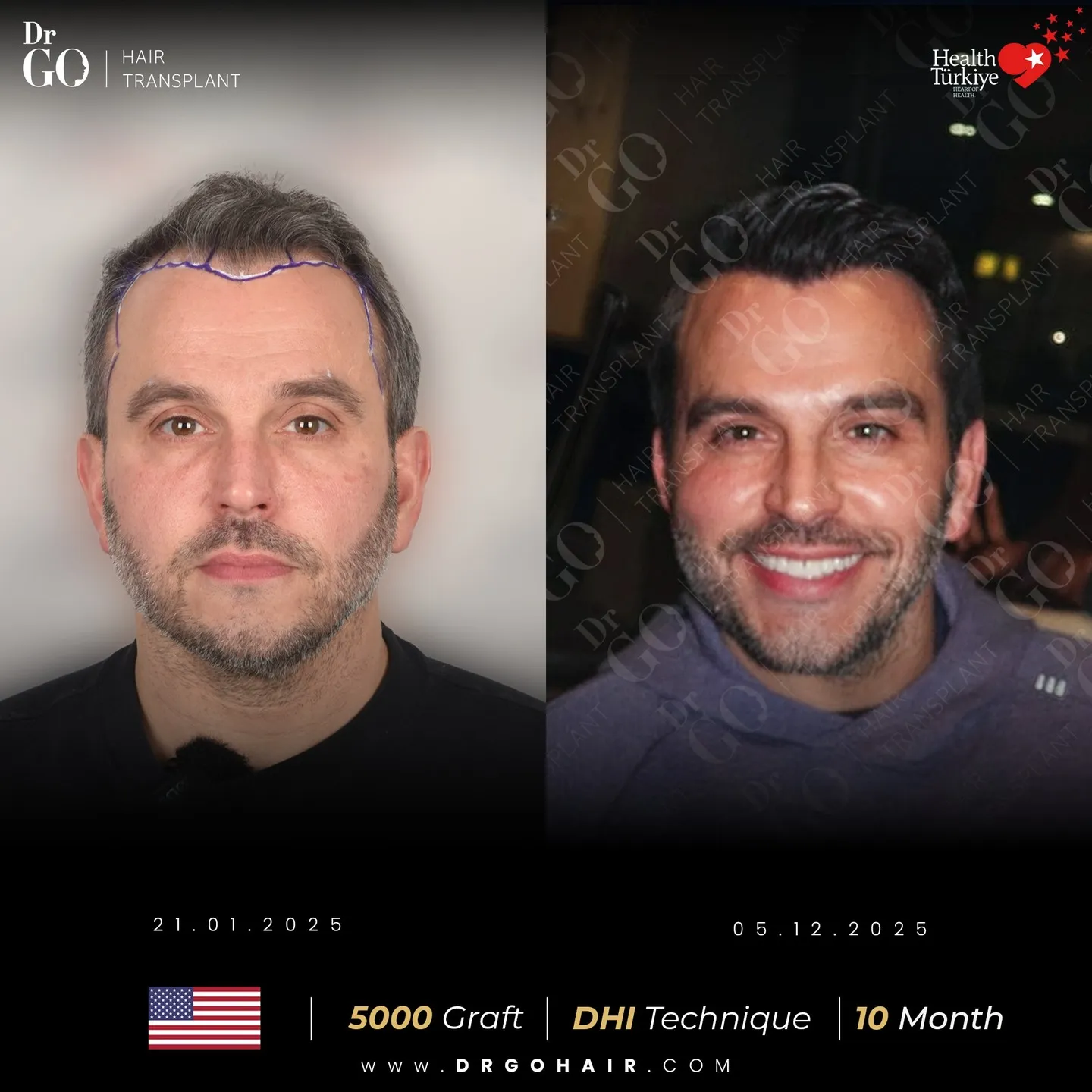
How Does the DHI Hair Transplant Technique Work?
The DHI technique combines individual follicular extraction with controlled graft implantation. After follicles are harvested from the donor region, a DHI Hair Transplant typically uses a specialized implanter pen to place grafts directly into planned recipient areas.
Each graft is prepared and loaded into the device before implantation. The practitioner then controls its insertion angle, direction, and approximate depth according to the surrounding hair pattern.
This approach can reduce the need to create all recipient channels separately before implantation, although exact procedural methods vary between surgical teams.
Careful handling remains essential because graft survival depends on minimizing trauma and avoiding unnecessary time outside the body. Natural results also depend more on correct planning and graft placement than on the name of the transplantation technique alone.
Who Is a Suitable Candidate for DHI Hair Transplantation?
Suitable candidates generally have permanent or relatively stable hair loss together with an adequate supply of healthy donor follicles. Before a DHI Hair Transplant is considered, donor density, hair characteristics, scalp health, age, and future hair-loss progression should be assessed.
People with androgenetic alopecia commonly seek transplantation when frontal recession, temple loss, or crown thinning becomes established. Candidates need enough donor hair to create meaningful coverage without excessively thinning the donor region.
Not every form of hair loss should be treated surgically. Active alopecia areata, uncontrolled inflammatory scalp disease, and progressive scarring alopecia may require medical management before transplantation is considered.
Realistic expectations are also important. Surgery redistributes existing follicles; it cannot create an unlimited supply of new hair.
Which Types of Hair Loss Can Be Treated with DHI?
DHI is most often used to restore areas affected by permanent pattern hair loss where suitable recipient skin and adequate donor follicles are available. In appropriately selected patients, a DHI Hair Transplant can address frontal recession, temple loss, mid-scalp thinning, crown loss, and selected localized areas.
Androgenetic alopecia is one of the most common indications because transplanted follicles are usually taken from regions that are more resistant to progressive miniaturization.
Some scarred areas may also be transplanted, although blood supply and scar quality require careful evaluation.
Temporary shedding disorders are generally not surgical indications. Active inflammatory or scarring hair-loss conditions should be stabilized first because ongoing disease can threaten both existing and transplanted follicles.
How Is the Donor Area Evaluated Before a DHI Procedure?
Donor evaluation determines how many follicles can be safely harvested without creating visible thinning in the back or sides of the scalp. Before performing a DHI Hair Transplant, density, follicular-unit distribution, hair diameter, curl, color contrast, and scalp laxity are commonly assessed.
The donor area has a limited supply, so harvesting must account for both the current procedure and possible future restoration needs.
Hair caliber can significantly influence visual coverage. Thick or curly hair may create greater apparent density than fine, straight hair using a similar number of grafts.
The pattern and expected progression of hair loss should also be considered. Excessive harvesting during an early procedure can reduce options if additional transplantation becomes necessary later.
How Are Hair Follicles Extracted for DHI Transplantation?
Follicles are generally harvested individually from the donor area using small circular punches. During the extraction phase of a DHI Hair Transplant, each follicular unit is loosened from surrounding scalp tissue and carefully removed for preservation.
This extraction method is fundamentally similar to follicular unit extraction used in FUE procedures. Punch diameter and extraction technique can vary according to follicle size, hair characteristics, and practitioner preference.
Extracted grafts are typically kept in an appropriate holding solution until implantation. Excessive manipulation, dehydration, or prolonged storage can reduce graft quality.
Donor extraction should also be distributed carefully. Removing too many follicles from a small area can leave visible patchiness even when individual extraction points heal with very small scars.
What Is a Choi Implanter Pen and How Is It Used?
A Choi implanter pen is a specialized device designed to hold and implant individual hair grafts into the recipient scalp. During a DHI Hair Transplant, grafts can be loaded into the hollow needle or tip before being inserted at a planned angle and direction.
The device allows implantation and recipient-site creation to occur in a closely coordinated step. Different tip sizes can be selected according to the dimensions of the grafts.
Using an implanter does not automatically guarantee superior results. Follicle handling, graft orientation, hairline design, donor management, and surgical judgment remain critical.
Improper loading or excessive pressure can damage delicate grafts. For this reason, implantation requires coordinated handling and careful placement rather than simply relying on the device itself.
Hairline Design and Graft Placement with the DHI Method
Hairline design aims to create a shape that suits facial proportions, age, existing hair, and expected future hair loss. During a DHI Hair Transplant, graft placement should reproduce natural variations in direction, density, and angle rather than creating a perfectly straight or uniformly dense line.
Single-hair follicular units are generally preferred along the front edge because they can produce a softer and more natural transition. Multi-hair grafts can provide additional density farther behind the hairline.
The temporal corners and frontal zone require especially careful directional planning.
A hairline designed too low can consume excessive donor grafts and may appear unnatural as surrounding native hair continues to thin. Long-term planning is therefore as important as immediate density.
How Many Grafts Can Be Transplanted with DHI?
The number of grafts depends on the size of the thinning area, donor capacity, desired coverage, hair characteristics, and existing density. During a DHI Hair Transplant, graft numbers should be determined through individual planning rather than using one standard figure for every patient.
A small frontal correction may require considerably fewer follicles than restoration involving the hairline, mid-scalp, and crown.
Higher graft counts do not automatically produce better results. Excessively dense implantation can place unnecessary demands on recipient tissue, while aggressive harvesting can permanently reduce donor-area density.
Hair thickness, curl, color contrast, and the number of hairs contained within each follicular unit also affect visual coverage. Safe donor management should take priority over maximizing graft numbers in one session.
DHI Hair Transplant vs FUE Hair Transplant
DHI and FUE are closely related techniques because both generally use individual follicular-unit extraction from the donor area. The main difference is that a DHI Hair Transplant commonly uses an implanter pen for recipient placement, while traditional FUE may involve creating recipient channels before graft insertion.
Neither method is automatically superior for every patient. Results depend heavily on donor quality, hairline planning, extraction technique, graft handling, implantation accuracy, and overall surgical experience.
DHI can be useful for controlled placement between existing hairs or in areas where precise direction is important. Conventional FUE implantation may also produce highly natural results when appropriately planned.
Technique selection should therefore depend on the hair-loss pattern and surgical requirements rather than marketing terminology alone.
What Happens on the Day of a DHI Hair Transplant?
The procedure usually begins with final hairline planning, scalp preparation, photography, and marking of donor and recipient areas. During a DHI Hair Transplant, local anesthesia is commonly used to reduce discomfort throughout extraction and implantation.
Follicles are first harvested individually from the donor area. The extracted grafts are then inspected, preserved, and organized before implantation.
Recipient placement follows the planned density and direction. Grafts may be loaded into implanter pens and inserted one by one across the treatment area.
The total procedure can take several hours depending on graft numbers and complexity. Breaks may be included during larger sessions. After implantation, the scalp is checked and postoperative care instructions are provided.
Recovery and Scalp Care After DHI Hair Transplantation
Early recovery usually involves temporary redness, swelling, tenderness, and small crusts around implanted follicles. Following a DHI Hair Transplant, careful scalp protection is important because newly placed grafts are initially vulnerable to friction and direct trauma.
Patients are generally instructed to follow a specific washing method during the early healing period. Scratching, forceful rubbing, and unnecessary pressure on the recipient area should be avoided.
Donor-site discomfort usually improves gradually as the small extraction points heal. Temporary swelling around the forehead can also occur.
Crusting generally resolves progressively rather than disappearing immediately. Severe pain, spreading redness, drainage, fever, significant bleeding, or unusual swelling should be medically assessed because these findings may indicate a complication.
When Does Transplanted Hair Start to Grow?
Transplanted follicles do not produce their final visible result immediately after surgery. After a DHI Hair Transplant, many transplanted hairs can shed during the early weeks while the follicles themselves remain beneath the scalp.
New growth generally begins gradually over the following months. Early hairs may initially appear fine, irregular, or lighter before becoming longer and more mature.
Density continues to change as different follicles enter active growth at different times. For this reason, early photographs should not be treated as the final result.
Visible maturation commonly continues for many months, and crown growth may sometimes appear slower than frontal growth. Individual timelines vary according to healing, follicle biology, scalp condition, and treatment area.
How Natural and Permanent Are DHI Hair Transplant Results?
Hair transplantation can produce long-lasting and natural-looking results when suitable donor follicles are placed according to normal hair direction and distribution. With a carefully planned DHI Hair Transplant, transplanted follicles can continue producing hair for many years because they generally retain characteristics of their donor region.
Natural appearance depends heavily on hairline design, graft selection, density distribution, and implantation angle. The technique name alone does not guarantee a natural result.
Transplanted hair may be relatively resistant to androgen-related miniaturization, but surrounding native hair can continue to thin.
Future hair loss may therefore change the overall appearance and create the need for ongoing medical management or additional surgery. Permanence applies primarily to successfully surviving transplanted follicles, not to all existing scalp hair.
DHI Hair Transplant Prices 2026
The cost of transplantation depends on the extent of hair loss, graft requirements, donor characteristics, surgical complexity, and whether multiple scalp regions are being restored. When considering DHI Hair Transplant prices, graft planning should focus on safe donor use and realistic coverage rather than simply selecting the highest possible graft number.
A limited hairline procedure generally requires a different level of work from a large session involving the frontal scalp, mid-scalp, and crown. Revision procedures can also be more complex when previous harvesting, scarring, or unnatural graft placement needs to be addressed.
Additional cost factors can include anesthesia requirements, preoperative assessment, postoperative medications, follow-up care, and whether further sessions are anticipated.
There is no universal price that applies to every patient. Total cost should reflect the individual treatment plan, available donor supply, procedure complexity, graft requirements, and long-term restoration strategy.
Frequently Asked Questions
Is DHI better than FUE for hair transplantation?
Neither technique is automatically better for every patient. Since a DHI Hair Transplant generally uses FUE-style individual extraction with implanter-assisted placement, the best choice depends on donor quality, recipient area, existing hair, graft requirements, and surgical planning.
How many grafts do I need for a DHI hair transplant?
Graft requirements vary according to the size of the bald or thinning area, existing density, donor supply, and hair characteristics. During a DHI Hair Transplant, the safest graft number should balance desired coverage with preservation of the donor area.
Does a DHI hair transplant require shaving the head?
Complete shaving is not always required, although some degree of trimming may make extraction and implantation easier. Depending on the planned DHI Hair Transplant, partial-shave or selected unshaven approaches may sometimes be possible for suitable candidates.
Is DHI hair transplantation painful?
Local anesthesia is commonly used to minimize discomfort during extraction and implantation. During a DHI Hair Transplant, patients may feel pressure or brief discomfort, while temporary scalp tenderness can occur after the anesthetic effect fades.
How long does a DHI hair transplant procedure take?
Procedure duration depends mainly on graft numbers, donor extraction difficulty, recipient-area size, and implantation complexity. Because a DHI Hair Transplant involves individual extraction and placement of many follicular units, larger sessions can require several hours to complete.